Dollar–won 1,540surges to the mid- range, pressured by the KOSPI decline and foreign selling
The dollar–won exchange rate rose during the morning session to 1,544.10 won. The sharp KOSPI decline and foreign net selling fueled the rise in the exchange rate, while geopolitical risks in the Middle East and uncertainty over U.S.–Iran negotiations also served as a backdrop.
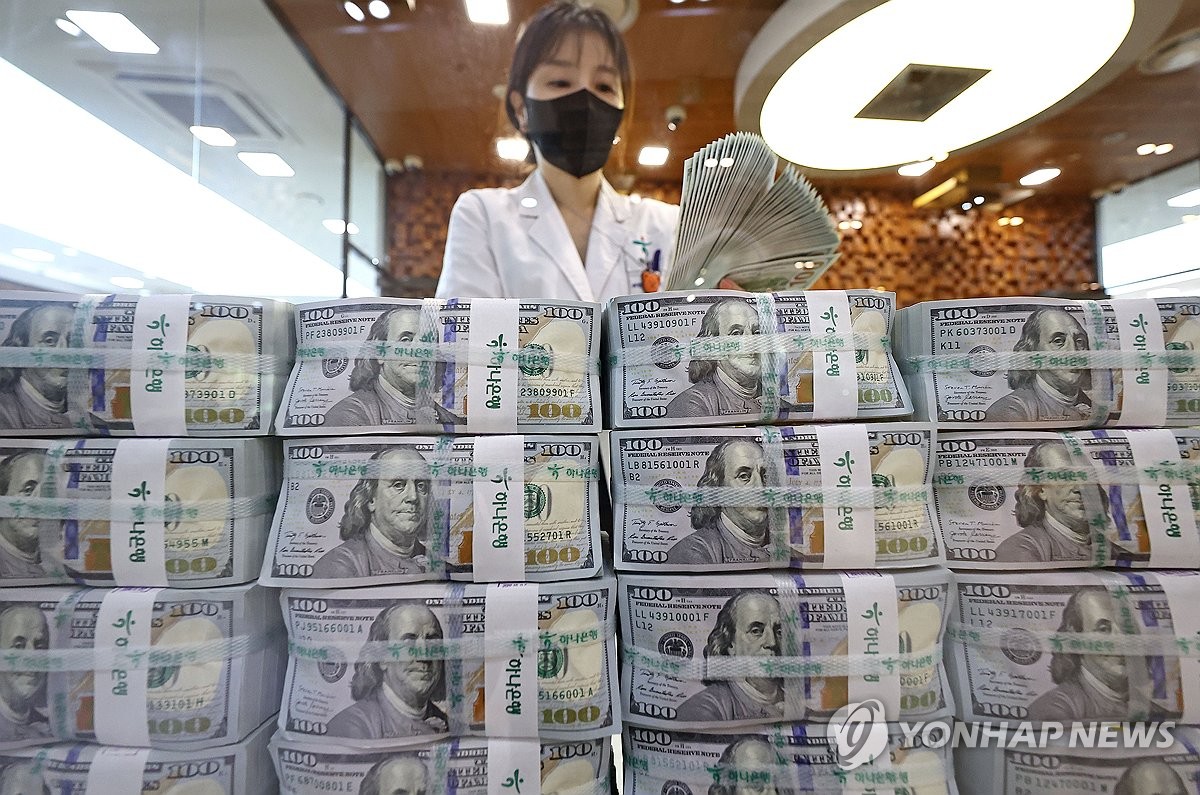
The dollar–won exchange rate rose during the morning session to 1,544.10 won. It surged 14.40 won from the previous session. This level was the highest since 2009; 3; 10.
The dollar–won opened 0.70 won lower than the previous session at 1,529.00 won. Immediately after the opening, range-bound trading briefly continued amid two-way supply and demand. Buying pressure then intensified.
At 9:25 a.m., the dollar–won was trading at 9.10 won, up 1,538.80 won from the previous session. Foreign net selling was subsequently observed to expand. The increase in foreign selling affected supply and demand in the domestic stock market.
After the sell-sidecar was lifted in the stock market, foreign investors’ net selling of domestic stocks widened. As a result, dollar-won rose further to 1,539.20The market observed foreign selling and exchange-rate volatility at the same time.
Market sentiment has shifted toward risk-off after news broke overnight that an armed Lebanese faction had rejected the agreement. Uncertainty over negotiations between the United States and Iran was also cited as a factor behind the rise in the exchange rate that day. Geopolitical tensions were immediately reflected in the foreign exchange market.
Domestic stocks plunged, with the KOSPI falling sharply. Foreign investors’ net selling simultaneously fueled weakness in domestic equities and a rise in the exchange rate. Market participants said that risk-off flows had emerged.
Sources: 연합인포맥스
Bullstory synthesized this report from the linked sources. AI may have assisted the writing process. Check the original reports for factual confirmation.