Equal-weight ETFs emerge as an alternative for investors tired of AI-stock volatility
Equal-weight exchange-traded funds (ETFs) are drawing investor attention by reducing concentration in individual stocks to lower volatility, while their inclusion of U.S. companies is expected to provide additional gains when exchange rates rise. More investors are considering ETFs aimed at managing volatility.
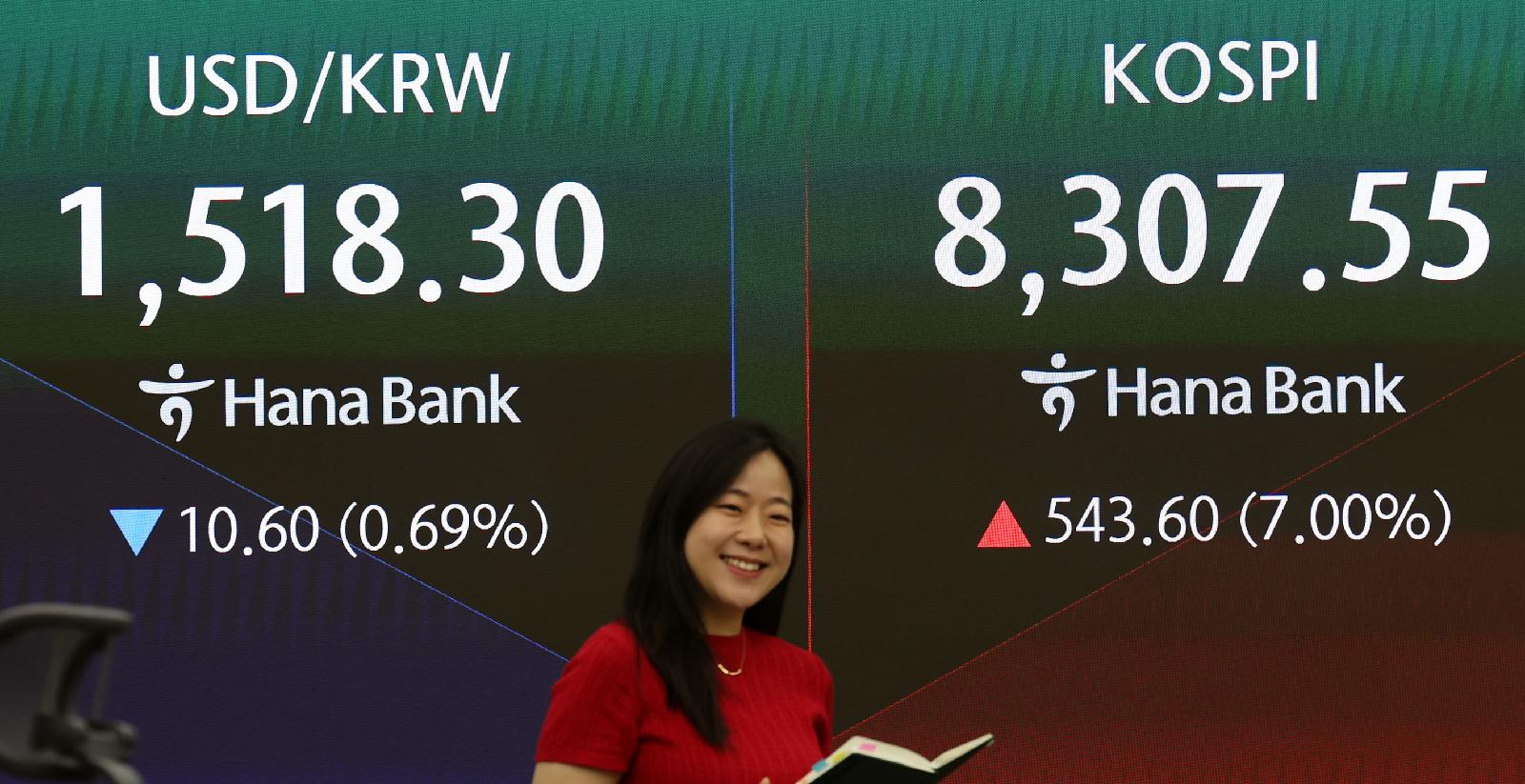
Equal-weight exchange-traded funds (ETFs) are emerging as an option among investors tired of volatility. Their low volatility, steadily rising stock prices, and potential exchange-rate benefits from investing in U.S. companies are the reasons for the interest.
Office worker Choi said they were looking for an ETF with low volatility and a stable upward trend.51The possibility of additional returns when the Korean won weakens through investment in U.S. companies was also cited as an attraction.
Equal-weight ETFs use a method that assigns the same weighting to each constituent stock. This method reduces concentration in specific large-cap stocks, helping lower portfolio volatility.
The exchange rate affects returns on ETFs with high exposure to U.S. stocks. The article emphasized that currency movements can work to investors’ advantage.
An equal-weighting approach adjusts the holdings through regular rebalancing. A key feature is that trades occur during the rebalancing process.
Equal-weight ETFs are being discussed among domestic investors as a means of managing volatility. Before investing, investors should check the management method, costs, and the impact of exchange rates.
Sources: 매일경제 증권
Bullstory synthesized this report from the linked sources. AI may have assisted the writing process. Check the original reports for factual confirmation.