Won–dollar 1500Cement cost burden expands as the exchange rate enters the won range
The won–dollar exchange rate has 1500and the import price of bituminous coal, the main raw material for cement, has surged by 37%. Bituminous coal accounts for approximately 25% of cement costs, increasing the cost burden on the cement industry.
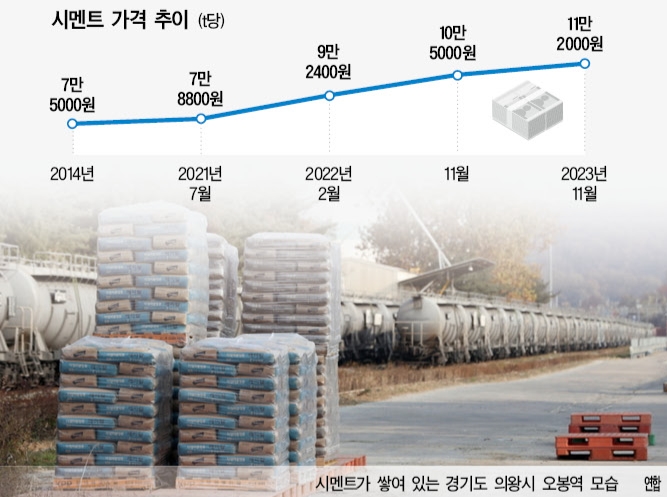
The won–dollar exchange rate has 1500and the cost burden on the cement industry is increasing. A sharp rise in the exchange rate immediately raises the cost of raw materials that depend on imports.
The import price of bituminous coal has surged by 37%. Bituminous coal accounts for approximately 25% of cement costs.
This month, the won–dollar exchange rate has remained high, recording 1532.0won and 1561.5won. As of 14, the exchange rate has been moving above and below the 1500won level.
Cement manufacturers rely entirely on imports for bituminous coal. Bituminous coal is essential in the process of heating raw materials such as limestone and clay to1500degrees.
Across the industrial sector, the cost burden is increasing, particularly for companies that import raw materials. In industries highly dependent on raw materials, exchange-rate volatility is translating immediately into higher costs.
In connection with the recent rise in the exchange rate and the surge in bituminous coal prices, company-specific cost structures and the disclosure of quarterly cost items have become important for investment decisions. It is necessary to check changes in raw material costs in the quarterly earnings announcements of the companies concerned.
Sources: 파이낸셜뉴스 산업
Bullstory synthesized this report from the linked sources. AI may have assisted the writing process. Check the original reports for factual confirmation.