On 7 month 13 day, the intensification of the Gulf conflict led to a surge in oil prices and a weakness in technology stocks.
On 7 month 13 day, as the conflict in the Gulf region escalated, international oil prices spiked, leading to a decline in technology stocks and an increase in Treasury yields. Global stock prices, including those in the Asian market, showed a downward trend.
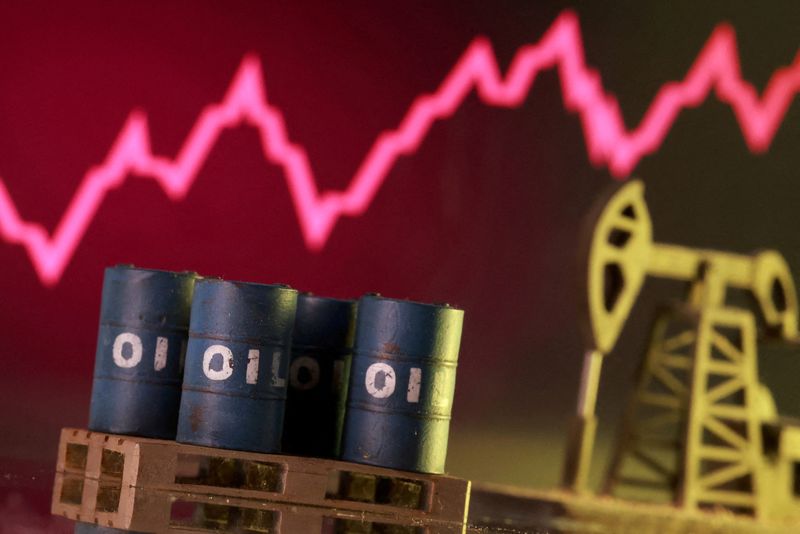
As the conflict intensified in the Gulf region on 7 month 13 day, international oil prices soared, technology stocks fell, and U.S. bond yields rose. This effect resulted in a downturn in global stock markets, including Asia.
The rise in oil prices stimulated trading in energy-related assets, while technology sector stocks exhibited relative weakness. At the same time, assets sensitive to long-term interest rates faced pressure, resulting in higher bond yields.
The sectors that saw concentrated trading in the market were known to be energy and technology. There was an expansion in trading volume and volatility in certain sectors.
This movement has been reported to be associated with escalating geopolitical tensions in the Gulf region. Market participants have shown adjustments in their positions based on related news.
Asian stock markets also declined, reflecting the rise in oil prices and interest rates. This trend has reportedly influenced global investment sentiment and supply-demand dynamics.
There is a possibility that market trends may change again if additional announcements or local situation changes emerge regarding this incident.
Sources: Reuters,Yahoo Finance
Bullstory synthesized this report from the linked sources. AI may have assisted the writing process. Check the original reports for factual confirmation.