5Monthly consumer prices 3.1%…Warning over high inflation, high interest rates, and a high exchange rate
5The monthly consumer price growth rate was 3.1% 26months, marking the highest level in that period. As inflationary pressure expanded amid a sharp rise in petroleum product prices, the Bank of Korea signaled a 7 rate hike.
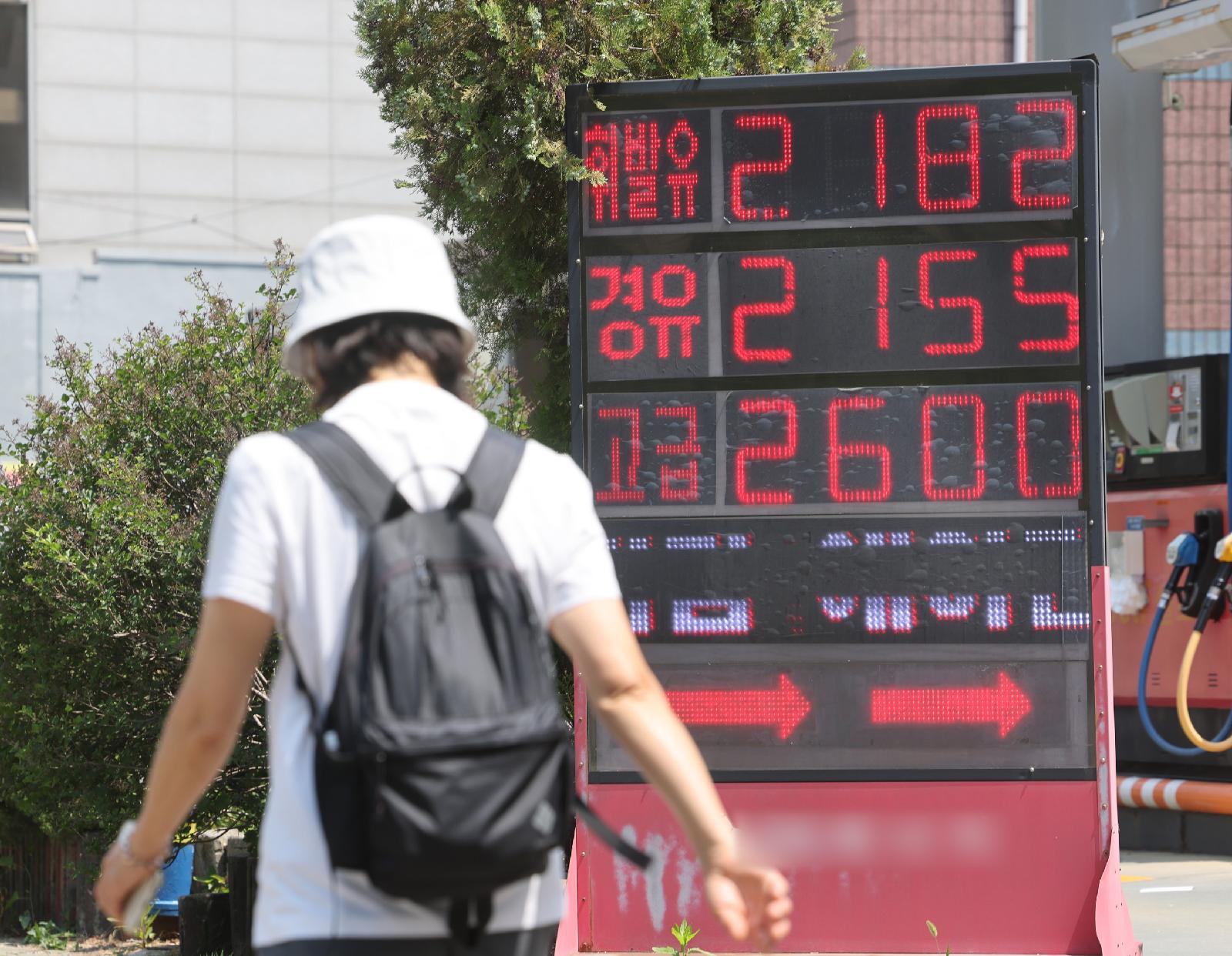
5The monthly consumer price growth rate was 3.1%, reaching its highest level in 26months. Inflation expanded for 3 consecutive months, entering the 3% range. The statistical results were released in early 6.
Petroleum product prices rose sharply. A rise of more than 20% in petroleum products showed that higher oil prices were spreading across prices more broadly. This oil price shock also affects import prices and distribution costs.
The supply shock from the war in the Middle East was cited as a major backdrop to the sharp rise in oil prices. Uncertainty related to the war is affecting international crude oil supplies and logistics. This impact is being reflected in items associated with domestic distribution costs.
The Bank of Korea 7indicated the possibility of a rate hike at the Monetary Policy Board meeting. The central bank's comments reflected the inflation trend. The direction of interest rates affects the interest burdens of households and companies.
Reports raised the possibility of a 'triple burden' of high inflation, high interest rates, and a high exchange rate. It was diagnosed that living-cost burdens are increasing for ordinary people and vulnerable groups. Attention is focused on the impact of related indicator changes on households' real income.
Markets are closely watching trends in inflation, interest rates, and exchange rates. If fluctuations in oil prices and exchange rates continue, the perceived impact will differ by industry. Upcoming inflation data and the Bank of Korea's decision will be key variables.