40Based on statistics from the year, the rise in anti-dumping measures, 226cases out of 165cases involved tariffs
1987Since the establishment of the Trade Commission in the month, a total of 7applications for anti-dumping investigations by item amounted to 226cases, and 165cases (73.0%) led to trade-remedy measures such as anti-dumping duties. The number of applications has increased noticeably in recent 2022to 2025years.
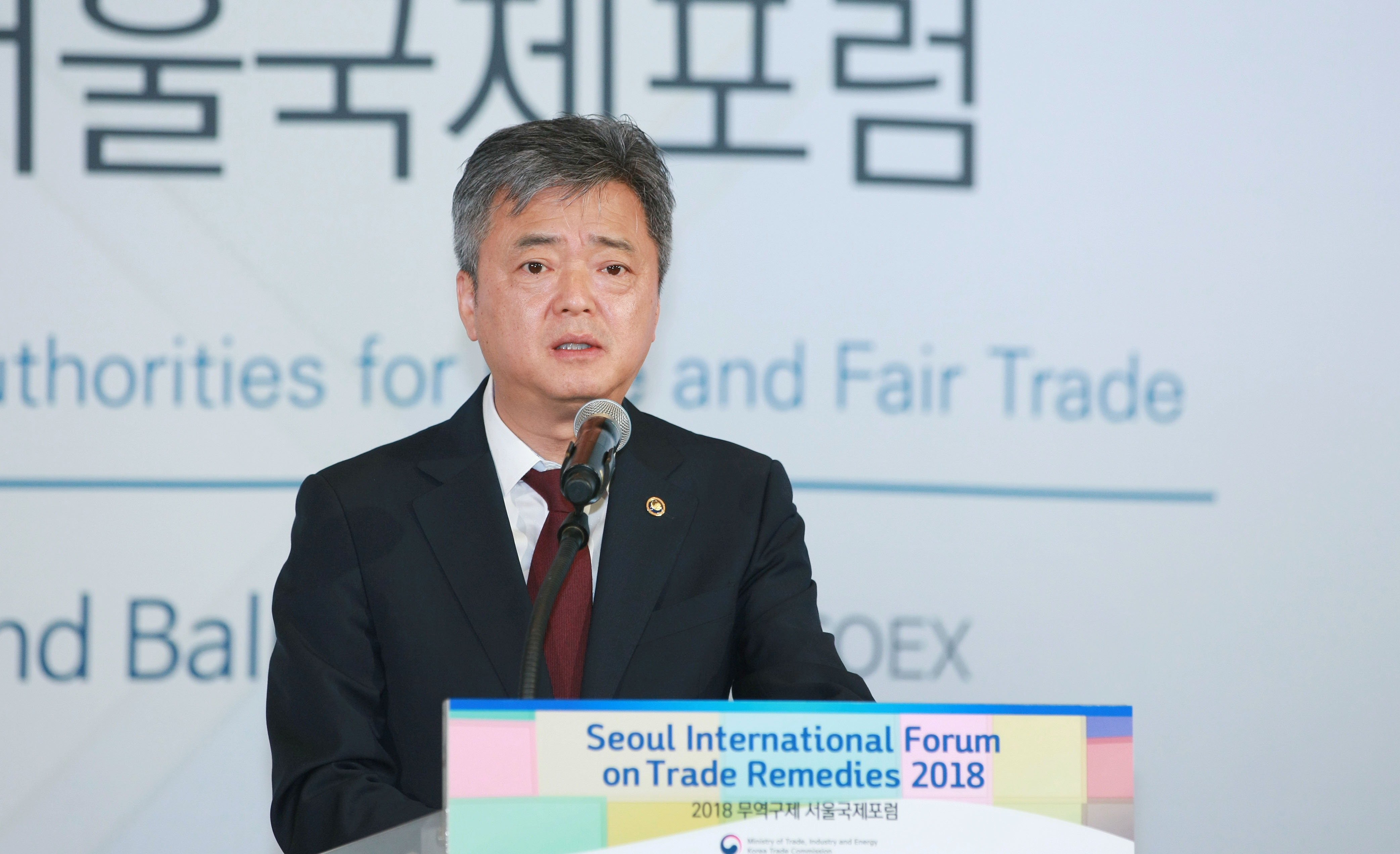
1987Since the establishment of the Trade Commission in the month, a total of 7applications for anti-dumping investigations received by item amounted to 226cases, of which 165cases (73.0%) led to trade-remedy measures such as anti-dumping duties. This figure shows that the anti-dumping system has been functioning in practice as a means of protecting domestic industries.
Anti-dumping is a system in which the government investigates and imposes tariffs when a foreign company exports products at a lower price than in its home market, causing damage to domestic industries. It is not simply a way to block cheap imports, but a procedure to protect domestic production and profitability from unfair price competition.
For a long time, the number of applications remained in the single digits each year. 2002year saw 11cases, and 2014year saw 10cases, with only some years being exceptions.
The recent tone has changed.
2022 in 6 cases, applications increased to 2023 in 8 cases.
Then 2024 in 10 cases, and 2025 in 13 cases, the upward trend continued.
The trade commission statistics show that the items under review were concentrated particularly in steel and chemical products. According to the Ministry of Trade, Industry and Energy Trade Commission tally, the figures are for the period since the establishment in 1987 and up to 7 this year.5.
Sources: 뉴시스 경제
Bullstory synthesized this report from the linked sources. AI may have assisted the writing process. Check the original reports for factual confirmation.