LG Electronics 6hits the upper price limit for the first time in years, with robots and component stocks drawing attention amid physical AI
LG Electronics 6hit the upper price limit for the first time in years. Expectations for physical AI and momentum in robotics came into focus, prompting target-price increases for Hyundai Mobis and Leeno Industrial. Expectations for a recovery in orders and demand also spread to power equipment and aviation-related stocks.
21On the day, LG Electronics 6hit the upper price limit for the first time in years. During the trading session, expectations related to physical AI and the prominence of its robotics business were cited as factors behind the share-price rise. Reports pointing to momentum in the robotics business were reflected in the day's investment activity.
A securities firm assessed that Hyundai Mobis would benefit significantly from its group's physical AI transition and raised its target price. The report presented an outlook for Hyundai Mobis's automotive electronics and mobility-related businesses. Hyundai Mobis shares also moved in tandem following the news.
The report highlighted examples of LG Electronics applying physical AI and the potential for its robotics business to expand. The outlook for robotics-related businesses drew investor interest that day. Trading volumes in related stocks also increased.
Power equipment stocks 10rose after trading sessions. Improving momentum in recent orders was cited as a positive factor. Order disclosures by individual companies affected investor sentiment.
Shinhan Financial Investment said Leeno Industrial had entered a phase of structural growth in high-value-added products and raised its price target. The report cited sales growth by product and improved profitability as its rationale. Leeno Industrial shares reacted after the price-target increase was announced.
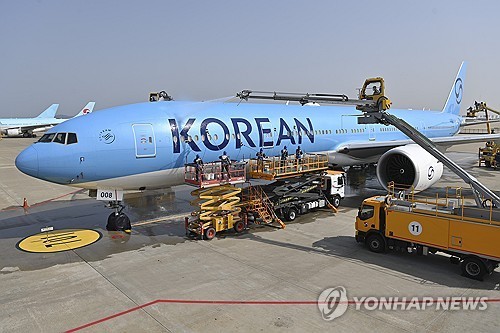
NH Investment & Securities raised its price target for Korean Air, citing expectations that demand for air travel would recover if fuel surcharges fell. The report pointed to trends in fuel surcharges and changes in international flight demand. The related news was also reflected in Korean Air’s share price.