Iranian tankers pass through the Strait of Hormuz after the U.S.-Iran agreement, sending oil prices into turmoil
After the agreement between the United States and Iran, Iranian tankers passed through the Strait of Hormuz and escaped the blockade, sending oil prices plunging before they rebounded in some periods amid uncertainty, resulting in mixed trading. The International Energy Agency (IEA) raised concerns about oversupply.
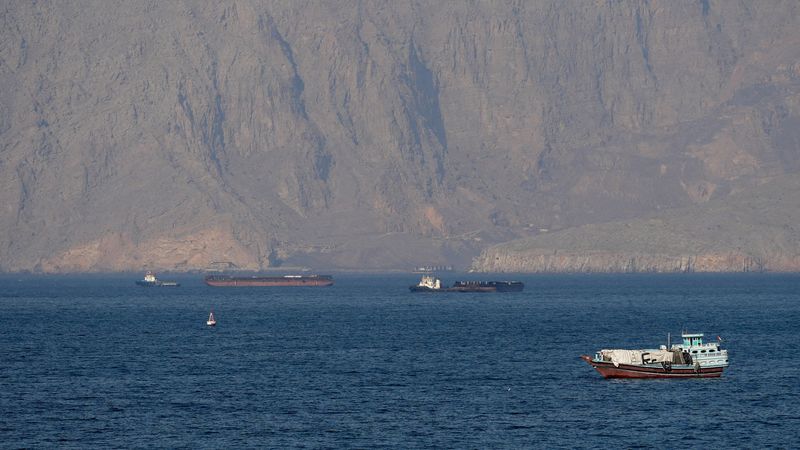
As the agreement between the United States and Iran reopened Iran’s crude oil transport routes, the oil market reacted immediately. Navigation data confirmed that Iranian tankers passed through the Strait of Hormuz and moved beyond the United States’ blockade line.
When the news emerged, international oil prices fell rapidly. 6Month 16In trading on the day, a sharp drop in oil prices also sent the U.S. stock index S&P 500lower.
Afterward, the trend was mixed. At some points, oil prices rose again as questions were raised about the sustainability of the agreement.
The International Energy Agency (IEA) warned of a possible oversupply. The IEA’s outlook has been identified as a factor prompting investors to recalculate supply and demand conditions.
Market participants pointed to the simultaneous occurrence of a sharp drop in oil prices and a short-term rebound. Observers said the next turning point would be whether crude oil transportation actually increases and whether the oversupply highlighted by the IEA materializes.
The facts confirmed so far are as follows: the resumption of voyages by Iranian tankers, the resulting sharp drop in oil prices, a rebound in some segments, and the IEA’s warning of an oversupply.
Sources: Reuters,Yahoo Finance,Investing.com News
Bullstory synthesized this report from the linked sources. AI may have assisted the writing process. Check the original reports for factual confirmation.