Will AI lower U.S. inflation 2026year? Paths and issues
An analysis has found that artificial intelligence (AI) could put downward pressure on U.S. prices. Improved productivity in services and restraint in labor costs are cited as key channels, and investors should watch the Fed's inflation gauges and changes in corporate capital spending.
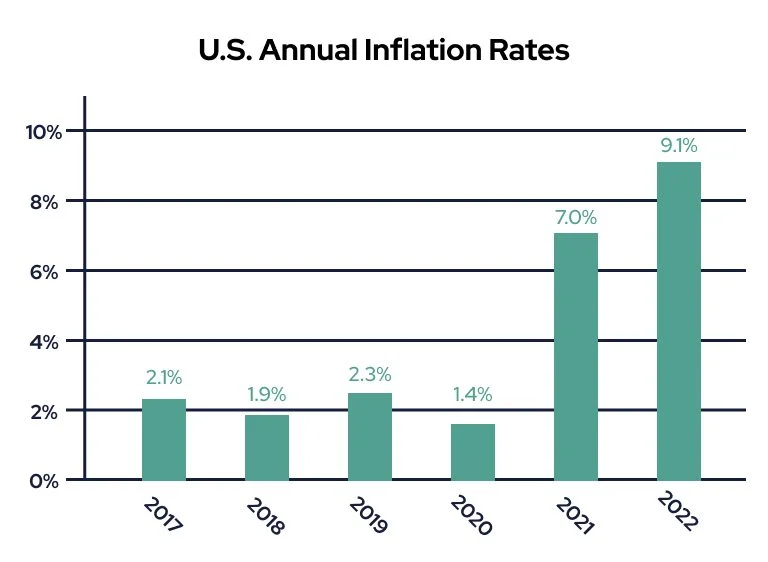
As claims emerged that artificial intelligence could suppress U.S. prices, it has become a variable in judgments on interest rates and corporate earnings. For investors, the signals coming from consumer prices and wage trends are what matter.
Experts explain that AI can raise productivity in the services sector and create downward pressure on prices. Areas where costs can be reduced, such as repetitive customer service, document drafting, and data analysis, are highlighted first.
On the other hand, the spread of AI could increase demand for investment in data centers and high-performance semiconductors, pushing up capital goods prices. Rising investment costs could also act as a factor lifting short-term inflation.
The size and speed of the effect on prices will depend on the pace of adoption and firms' ability to pass on costs. If adoption is rapid, lower service prices will become visible; if adoption is slow, the impact will be limited.
The Fed is expected to look at indicators such as labor productivity and unit labor costs. Changes in these indicators could affect expectations for the benchmark interest rate.
Measurement issues are also being raised. A key question is how well price statistics reflect quality improvements caused by AI. If quality gains show up as price declines, real purchasing power rises more quickly.
In short, AI creates several channels that could put downward pressure on prices. However, the speed and magnitude remain uncertain, and investors should watch price indicators and corporate investment trends together.
Sources: Investing.com News
Bullstory synthesized this report from the linked sources. AI may have assisted the writing process. Check the original reports for factual confirmation.