Samsung-Hynix leveraged ETF surges in a month2-fold, while SK Hynix closes at a record high
Samsung-Hynix leveraged products surged to 2-fold in a month. Over the same period, SK Hynix closed at a record high of 228ten-thousand9000won, but leveraged products saw mixed performance, with cases of losses in a single day reaching -16%.
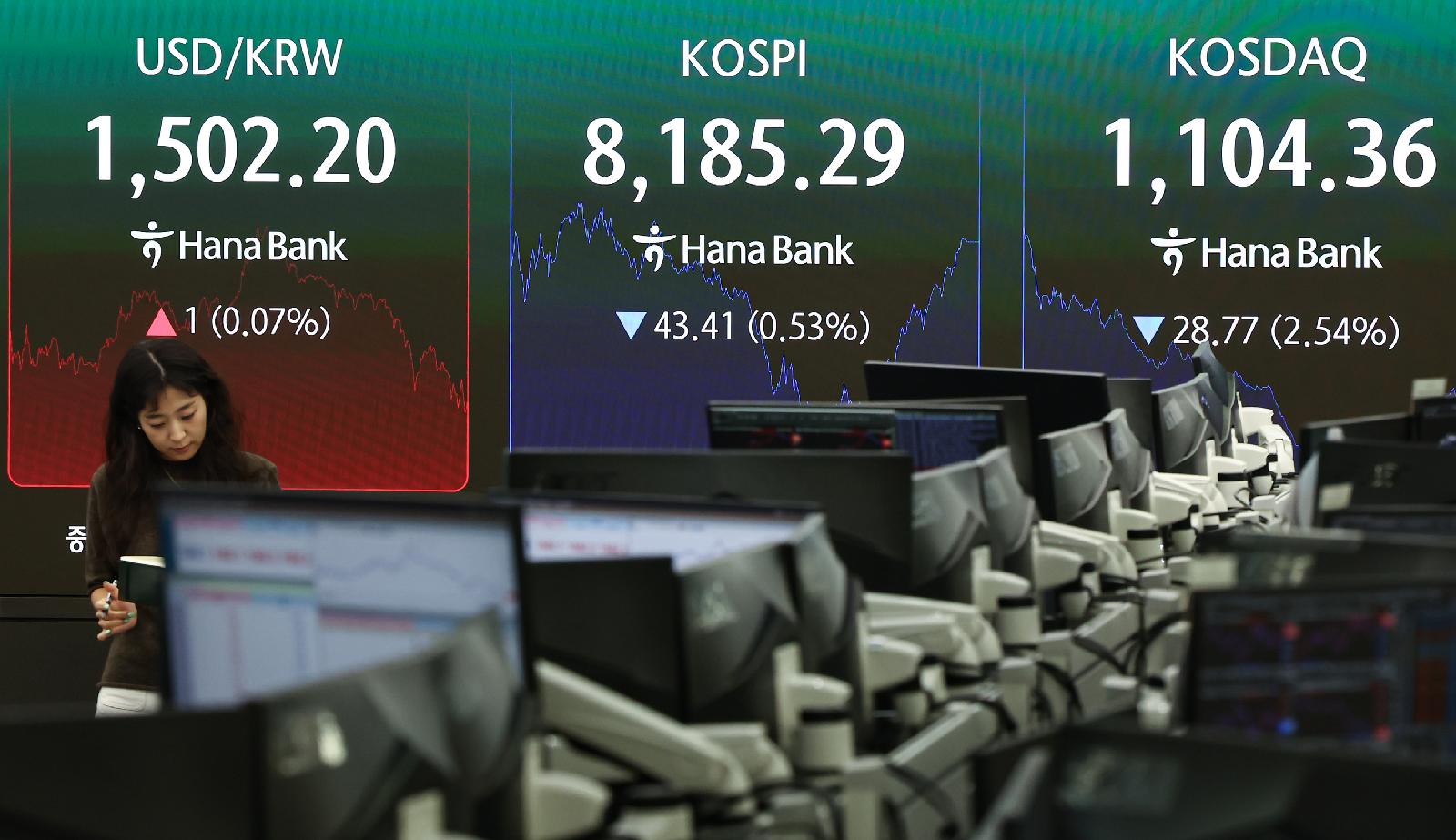
Interest has grown as Samsung-Hynix leveraged products have risen to 2-fold in a month. Over the same period, individual semiconductor stocks showed divergent trends. Warnings have also been raised that leveraged products are vulnerable to sharp market fluctuations.
The structural differences between 2-fold ETFs, which are divided into spot-based and futures-based products, affect investment performance. Spot-based products directly hold the underlying assets. Futures-based products use futures to provide leverage, resulting in differences in costs and tracking error.
A case was disclosed in which an investor who bought one product at its peak suffered a loss of -16% in a single day. Leverage multiplies price movements, so losses can also grow substantially. It was noted that a sharp fall in the opposite direction can occur, particularly after a rapid short-term rise.
Market movements diverged among stocks tied to the same leveraged products. In one segment, SK hynix recorded a rise of 3 to 4 percent, while Samsung Electronics 4 to 5 percent. As a result, returns differed widely depending on the composition of leveraged ETFs.
SK hynix closed at an all-time high of 228ten thousand9000 won. On the same day, Samsung Electronics 2 fell by percent to close. Some investors made quick gains through leveraged products, while cases were confirmed in which large losses occurred on the opposite positions.
A comparison of product descriptions and profit-and-loss statements concluded that the choice between spot-based and futures-based products was a factor in gains and losses. Discussions of leveraged ETFs repeatedly mentioned their cost structures and daily tracking methods. The recommendations also included checking each product’s structure, fees, and tracking error in its prospectus.