7On 10Kospi and Kosdaq buy-side sidecars were triggered repeatedly on 7% jump
7On 10Kospi and Kosdaq triggered buy-side sidecars in succession. On the same day, Samsung Electronics 7% jumped, leading the strength in semiconductor stocks, and on 7day 11there was a report that analysts sharply cut upward revisions to semiconductor target prices.
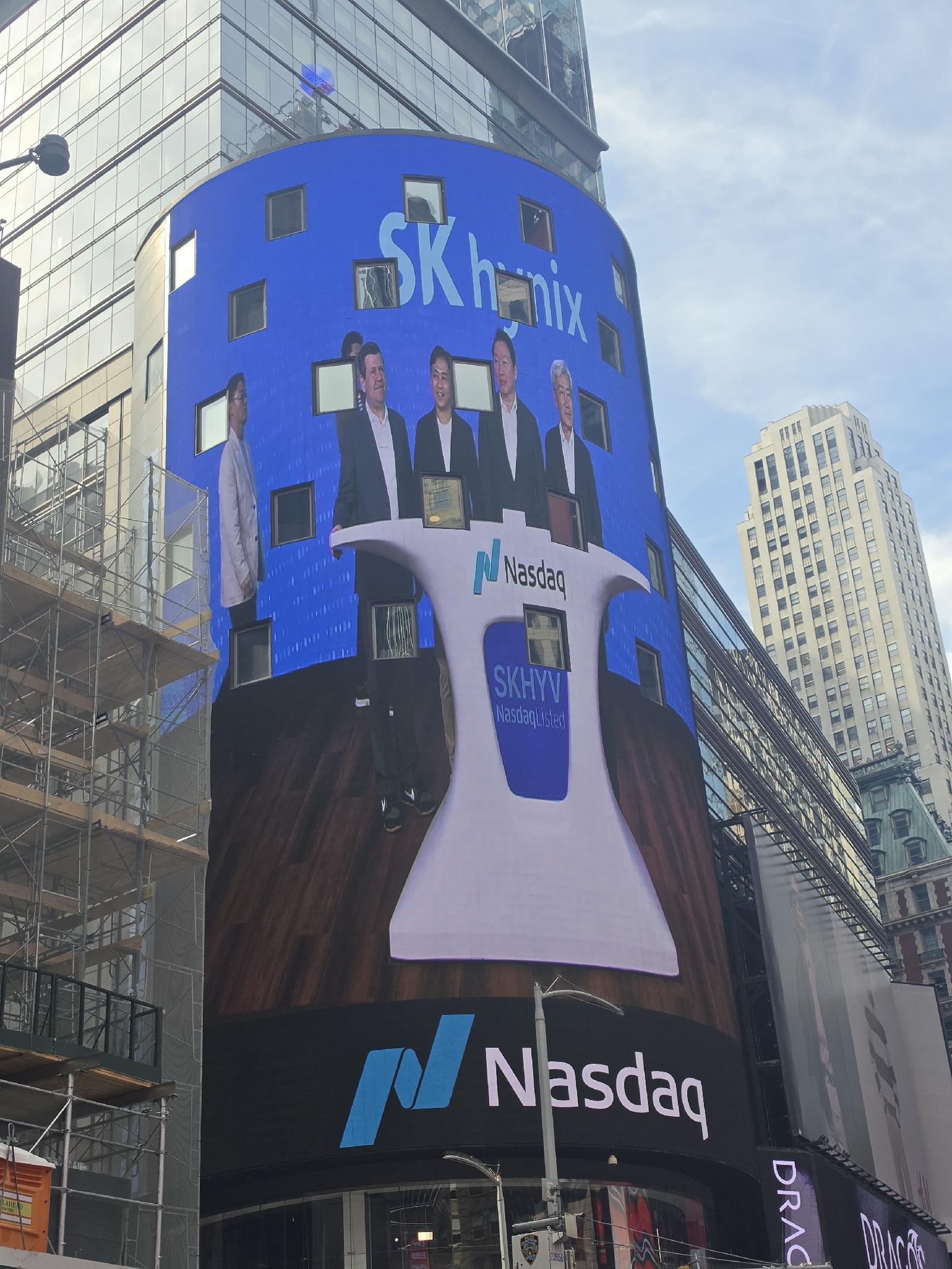
7On 10Kospi and Kosdaq triggered buy-side sidecars one after the other. Investor orders and trade executions were directly affected.
On the same day, Samsung Electronics 7% jumped, and semiconductor-related stocks broadly showed strength. The Kospi jumped 5%, and the Kosdaq jumped 6% at the same time.
7On 11There was a report that upward revisions to optimistic semiconductor target prices in the brokerage community sharply declined. It was pointed out that the parade of target-price upgrades came to a halt and that the outlooks were diverging.
Multiple articles reported that views on the semiconductor industry outlook are split into “two extremes.” Some raised target prices, while others reported that the pace of upgrades had slowed.
Meanwhile, regarding electricity demand for operating large fabs, the need to secure power in anticipation of facilities worth “800trillion won” was raised. In connection with this news, nuclear power-related stocks showed an upward trend.
In summary, 7month 10day, trading restrictions triggered by the surge (buy-side sidecar) and 7month 11day, news that Wall Street had slowed its target price upgrades overlapped, leading to differing views in the market.
The sharp rise that occurred on the day and the change in target price trends are read as different signals from the perspectives of actual investment and research. Both trading constraints and target price changes affect investment decisions.