KOSPI 8% plunge and circuit breaker triggered, selling pressure on Samsung Electronics emerges
KOSPI 2026year 7month 7day, during intraday trading, 8% plunge triggered a circuit breaker. Large-cap stocks, including Samsung Electronics, recorded steep declines amid massive foreign selling, while Hong Kong retail investors were found to have made net purchases worth 2recent weeks 1,600hundred million won.

Get free 삼성전자 email updates.
Bullstory sends one daily email when new analysis or important company news is available.
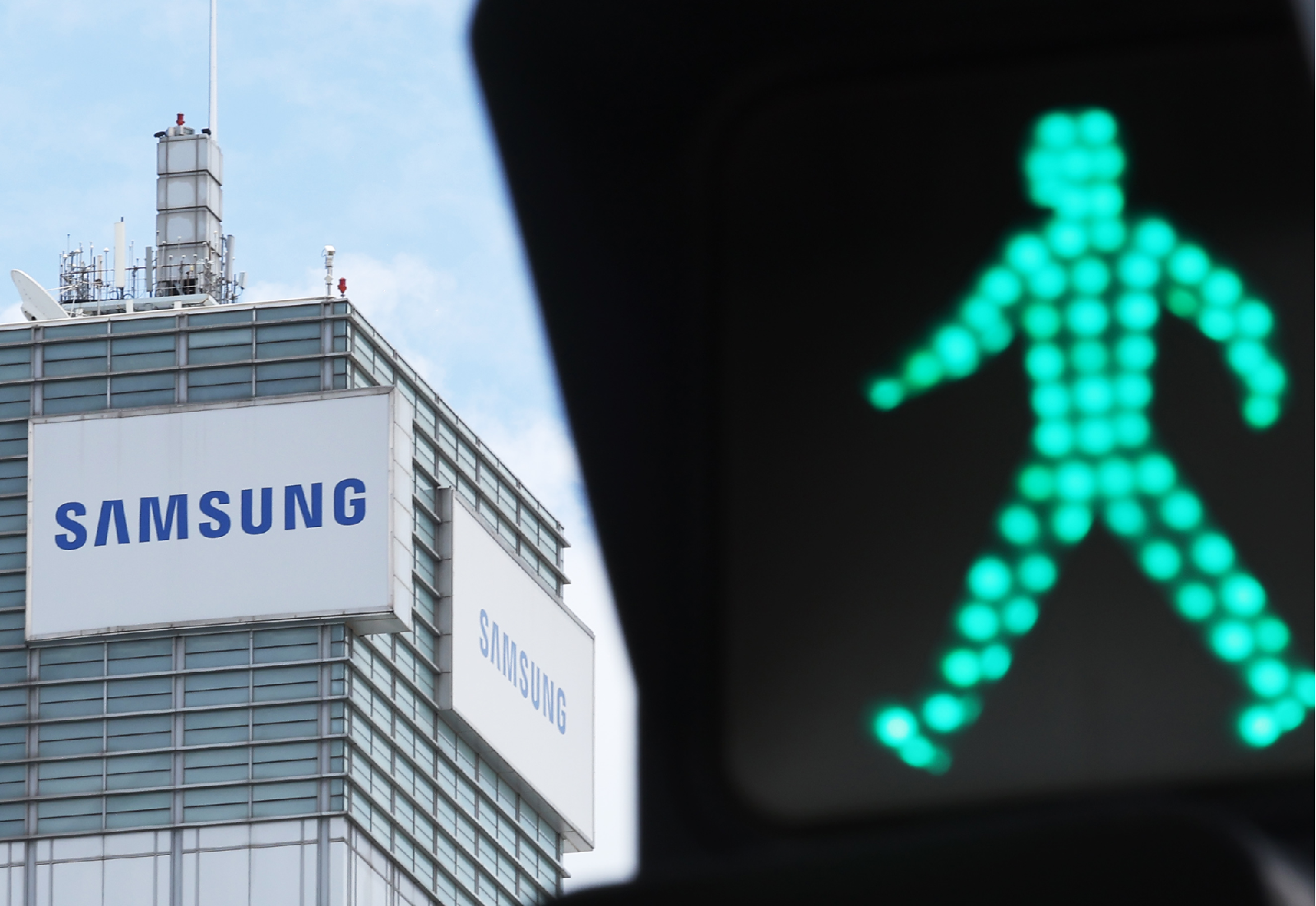
KOSPI 2026year 7month 7day, during intraday trading, 8% plunge triggered a circuit breaker, temporarily halting trading. Dissatisfaction among individual investors surfaced across the market.
As the intraday decline expanded to the 7% range, the index fell below the 7,500line. Trading contracted sharply until just before trading resumed.
Foreign investors engaged in massive selling, increasing downward pressure on Samsung Electronics. Individual investors voiced complaints, saying, “Only retail investors lose money on Samsung Electronics.”
Meanwhile, Hong Kong retail investors recently 2recorded net inflows into the KOSPI over the week of 1,600around hundred million won. This contrasted with the differing intensity of some foreign buying.
Amid KOSPI volatility, some large-cap semiconductor-related stocks showed significant intraday fluctuations. Gains and losses varied by sector.
Sell-offs emerged at Cellon despite the release of favorable news, expanding volatility across individual stocks. A market marked by sharp rises and falls was also observed among small- and mid-cap stocks.
As daily trading was partially halted by the activation of a circuit breaker, the supply levels in the order book shifted rapidly. The flow of investor order executions was disrupted.
The situation that day is summarized as resulting from the simultaneous effects of foreign investors’ trading trends and overseas retail-investor fund flows. Earnings announcements and disclosure schedules for related companies and sectors are expected to affect volatility going forward.