S&P 500 P/E 27.5times, have summer risks already been priced in?
S&P 500’s stock is trading at an earnings multiple of 27.5 times (P/E 27.5), above the historical average of 19 times. Geopolitical tensions in the Middle East, rising energy prices, inflation and recession concerns are being cited, with recommendations for conservative investors to increase their cash holdings or consider dividend stocks such as Coca-Cola.
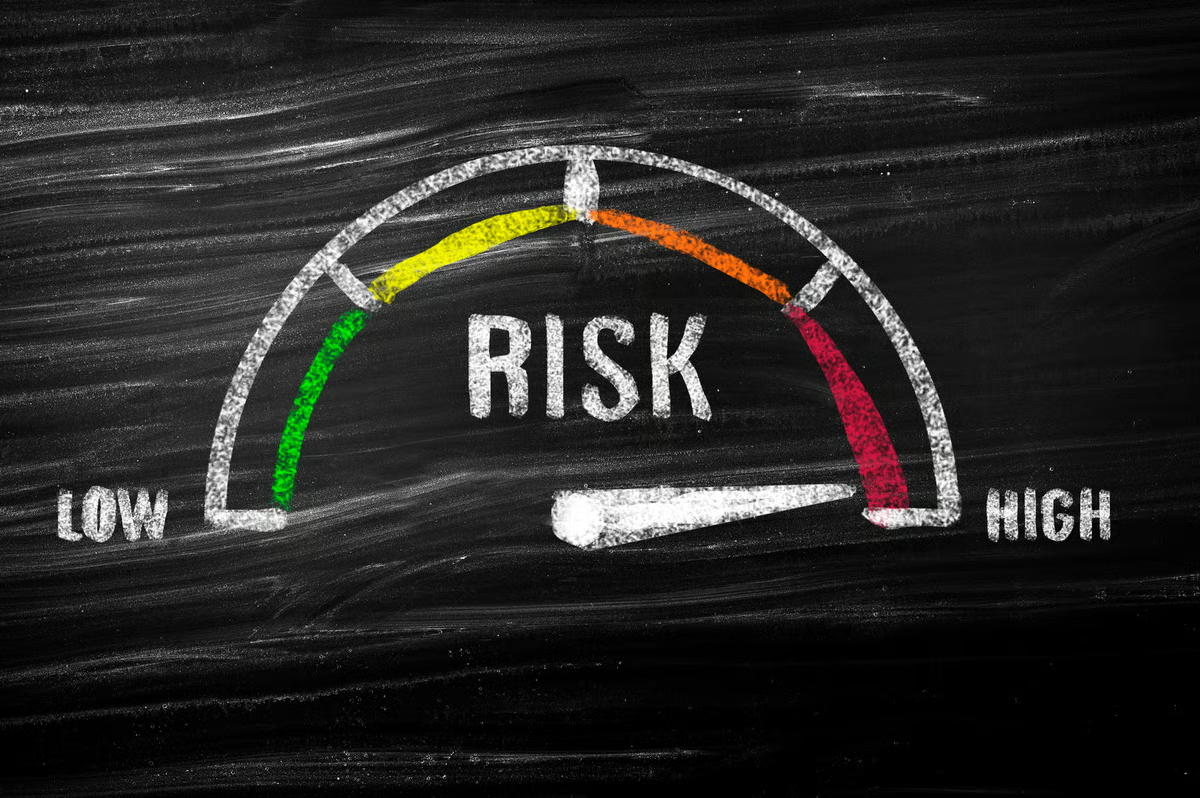
The S&P 500 index’s price-to-earnings ratio is recorded at 27.5 times (P/E 27.5), higher than the historical average of 19 times. This figure shows the current valuation.
Geopolitical clashes in the Middle East and concerns about rising oil prices are being cited as market risks. Inflationary pressures and the possibility of a recession are also being discussed. These factors are reported to potentially weigh on markets over the summer.
Conservative investors are advised to increase their cash holdings or build defensive positions focused on stocks with stable dividends. Coca-Cola is given as a specific example of a stable dividend stock. This is a strategy intended to prepare for increased volatility.
Berkshire Hathaway is maintaining a large cash position. This is described as a move associated with Warren Buffett’s patient investment approach. The major investor is choosing a strategy of holding cash until opportunities arise.
Overall high P/E levels, together with geopolitical, oil-price and inflation factors, are raising uncertainty about the summer market. Opinions are divided on whether the market has adequately priced in these risks. Investors need to review ways to protect their portfolios.
The article’s main point is that stock-market volatility could increase if an external shock occurs while valuations are elevated. A position recommending conservative management is also conveyed. Cash holdings and stable dividend stocks are repeatedly mentioned as additional measures.
Sources: The Motley Fool
Bullstory synthesized this report from the linked sources. AI may have assisted the writing process. Check the original reports for factual confirmation.