Inverse and leveraged ETF trading surges, nuclear power stocks and Hong Kong ETFs strengthen
Amid KOSPI volatility, trading in inverse and leveraged ETFs surged. Trading in nuclear power-related stocks and Hong Kong H-index- and crude oil-linked ETFs also increased at the same time.
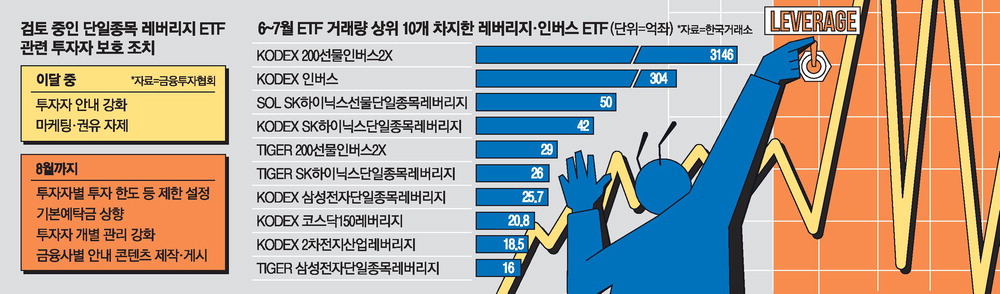
7On 12day, as KOSPI volatility increased, trading in inverse and leveraged ETFs surged as well. Money has been concentrated in specific ETFs, and trading centered on single products is increasing.
7On 10day, DS Asset Management listed its first active ETF on KOSDAQ. The company said it would prove the active management performance of the product on KOSDAQ.
During the same period, stocks related to nuclear power rose. 800Concerns over power supply needed to operate semiconductor fabs worth trillions of won were said to have led to buying of nuclear power stocks.
7Month 12day, trading in Hong Kong H-index-linked ETFs and crude oil investment products also showed strength. Demand for products linked to overseas indices and commodities rose together.
In the semiconductor sector, the upward trend in target prices from securities firms has paused, and outlooks have diverged. Some cited concerns about stagnant demand, while others pointed to buying opportunities.
The concentration of trading in ETFs and related products is also changing the trading structure of the KOSPI and KOSDAQ. Shifts in trading value and product-specific turnover speed are being reported.
In summary, inverse and leveraged ETFs, nuclear power stocks, and Hong Kong H-index and crude oil ETFs are all drawing attention at the same time. Investors need to check each product’s structure and operating method.