Ministry of Climate, Energy and Environment installs ESS in distribution networks to add renewable energy 1GW of additional interconnection
The Ministry of Climate, Energy and Environment announced that it will begin a project to directly install energy storage systems (ESS) on distribution lines on 2026year 7month 10day. By 2030year, it plans to invest state funds of 5,586billion won to deploy about 700MW of ESS and add 1GW of renewable energy interconnection.
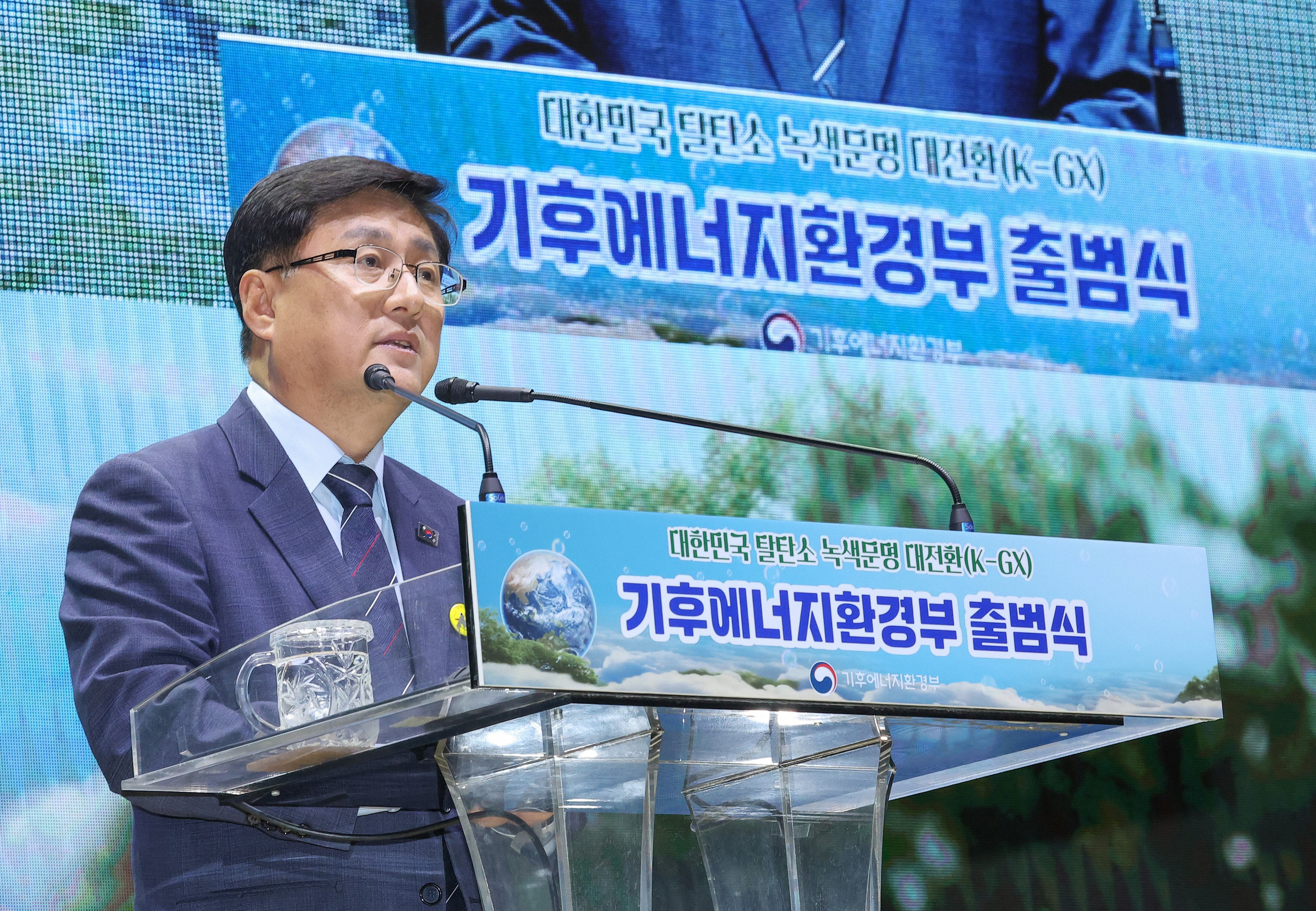
The Ministry of Climate, Energy and Environment announced that it will directly install energy storage systems (ESS) in distribution networks on 2026year 7month 10day and add 2030GW of renewable energy interconnection by 1year. The project is highly significant because it increases the power grid’s capacity without expanding distribution networks.
The government said it plans to invest state funds of 5,586billion won in the project. The budget will be spent in stages until 2030year.
One of the project’s goals is a total of about 700MW of ESS to be installed in distribution networks. This capacity will be used to create room for regional renewable energy interconnection.
One of the pilot designs is to install ESS on a distribution line1 at a certain location,4 of MW (20 MWh). With this design, solar power generated during the day is stored to ease grid strain.
This approach is used to connect solar power plants that are waiting for grid access at an early stage. For example,5.7 a case was presented in which additional solar power capacity of MW was connected.
The open call drew 14 integrated power plant operators, and a total of 82 distribution lines were applied for. In the end, 9 integrated power plant operators were selected.
Selected companies included LG Energy Solution, SK Eternix, and HD Hyundai. The business launch memorandum of understanding was signed at KEPCO’s Gyeongin Construction Headquarters in Seoul.
The Ministry of Climate, Energy and Environment said the project will be carried out mainly in regions with strong demand for renewable energy grid connections, such as Honam and Jeju. It explained that it will also contribute to power supply for the Honam semiconductor industrial complex.