U.S.-Driven Rates Raise Pressure on Overleveraged Households and Debt-Fueled Investors, Creating a KOSPI Risk
24Amid rising interest rates at home and abroad, interest burdens are growing for households that have stretched themselves financially and for marginal companies. Signals of rate hikes at home and abroad are putting debt-fueled stock investing in the spotlight as a risk to the stock market.
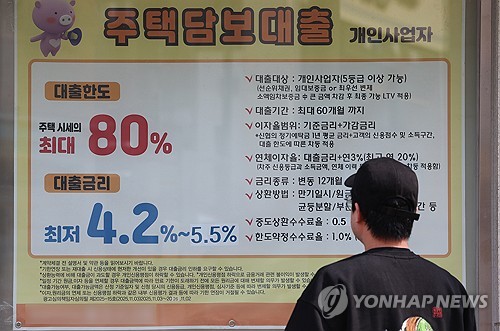
24As interest rates rise at home and abroad, financial pressure is mounting on vulnerable borrowers, including households that have stretched themselves financially, and on marginal companies. Rate-hike signals raise borrowing costs and increase repayment pressure. Borrowers with variable-rate loans and high debt ratios are particularly affected.
With signals of rate hikes at home and abroad detected that day, so-called debt-fueled investing—investing with borrowed money—was identified as a potential flashpoint for the stock market. Investing through stock-backed loans and leverage can magnify losses during a market correction. It is reported that additional selling pressure could build if margin calls occur.
For marginal companies, higher borrowing costs increase the burden of operating and interest expenses. This could weaken their capacity to invest and repay debt. There are concerns that changes in credit ratings and lending terms could further raise financing costs.
When interest-rate signals interact with the debt structures of households and businesses, financial-market volatility may increase. In particular, concerns have been raised that cascading losses among investors with high leverage could spill over into the market. These factors could affect short-term volatility in the KOSPI.
This issue is drawing attention because both household debt levels and the share of leverage in the stock market are being discussed. If policy announcements or corporate disclosures follow in the near term, volatility in related indicators could increase. Interest-rate trends and changes in lending structures need to be monitored going forward.
Sources: 연합뉴스 경제
Bullstory synthesized this report from the linked sources. AI may have assisted the writing process. Check the original reports for factual confirmation.