U.S. USTR proposes a 12.5% tariff on South Korea…trade chief holds emergency meeting
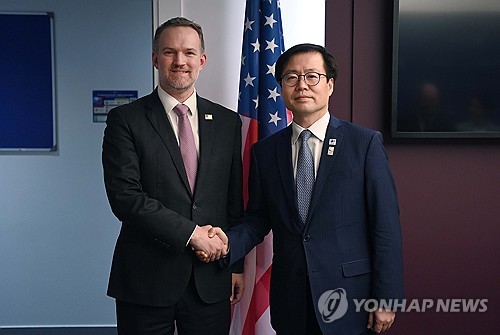
The Office of the U.S. Trade Representative (USTR) proposed a 2% tariff on some South Korean products based on the results of an investigation related to forced labor. Yeo Han-koo, head of the Trade Negotiation Office at the Ministry of Trade, Industry and Energy, 12.5 met a USTR representative in Paris and conveyed the need to maintain the balance of benefits under the U.S.-South Korea tariff agreement.3The meeting took place in Paris.
The Office of the U.S. Trade Representative (USTR) announced a tariff proposal under Section 2 of the Trade Act based on the results of an investigation related to forced labor. The proposed tariff rate for South Korea is 301%. USTR assessed that the economies subject to the investigation had not sufficiently implemented bans on imports involving forced labor.12.5The announcement concerned the investigation results.
USTR proposed a 14% tariff for 10 economies that have relevant regulations through domestic systems or reciprocal trade agreements. It said the category includes Canada, the European Union, Mexico and Taiwan. USTR explained the criteria for classification and the principles of application.
For 46 economies, including South Korea, USTR proposed a 12.5% tariff. However, certain minerals for which U.S. production is insufficient, as well as some aircraft and pharmaceuticals, were excluded from the tariffs. USTR said it would set the scope of application by establishing exceptions for individual products.
Yeo Han-koo, chief trade negotiator at the Ministry of Trade, Industry and Energy,3day (local time), met with U.S. Trade Representative Jamieson Greer in Paris, France. Yeo conveyed the Korean side’s position that the balance of benefits under the existing Korea-U.S. tariff agreement must be maintained. The U.S. side reaffirmed its intention to comply with the Korea-U.S. tariff agreement.
The Ministry of Trade, Industry and Energy said it would explain the Korean government’s efforts to eradicate forced labor through procedures including the submission of an opinion letter and a public hearing. The ministry said it would comprehensively consider areas of overproduction and301investigation plans currently under way. The government once again emphasized its position that consultations should take place within the framework of the Korea-U.S. tariff agreement.
The USTR proposal will lead to a final decision after gathering opinions and holding a public hearing. The Ministry of Trade, Industry and Energy said it would respond calmly to the remaining301related procedures. The two sides agreed to communicate so that follow-up measures could proceed smoothly.