Samsung Electronics·SK hynix 2times leverage, up to 50% loss in one week
Leveraged products tracking 2times the daily returns of Samsung Electronics·SK hynix fell by up to 50%, increasing losses for individual investors. With daily trading reaching the level of trillions of won, a case was reported in which approximately 3trillion won was withdrawn from an account over ten days.
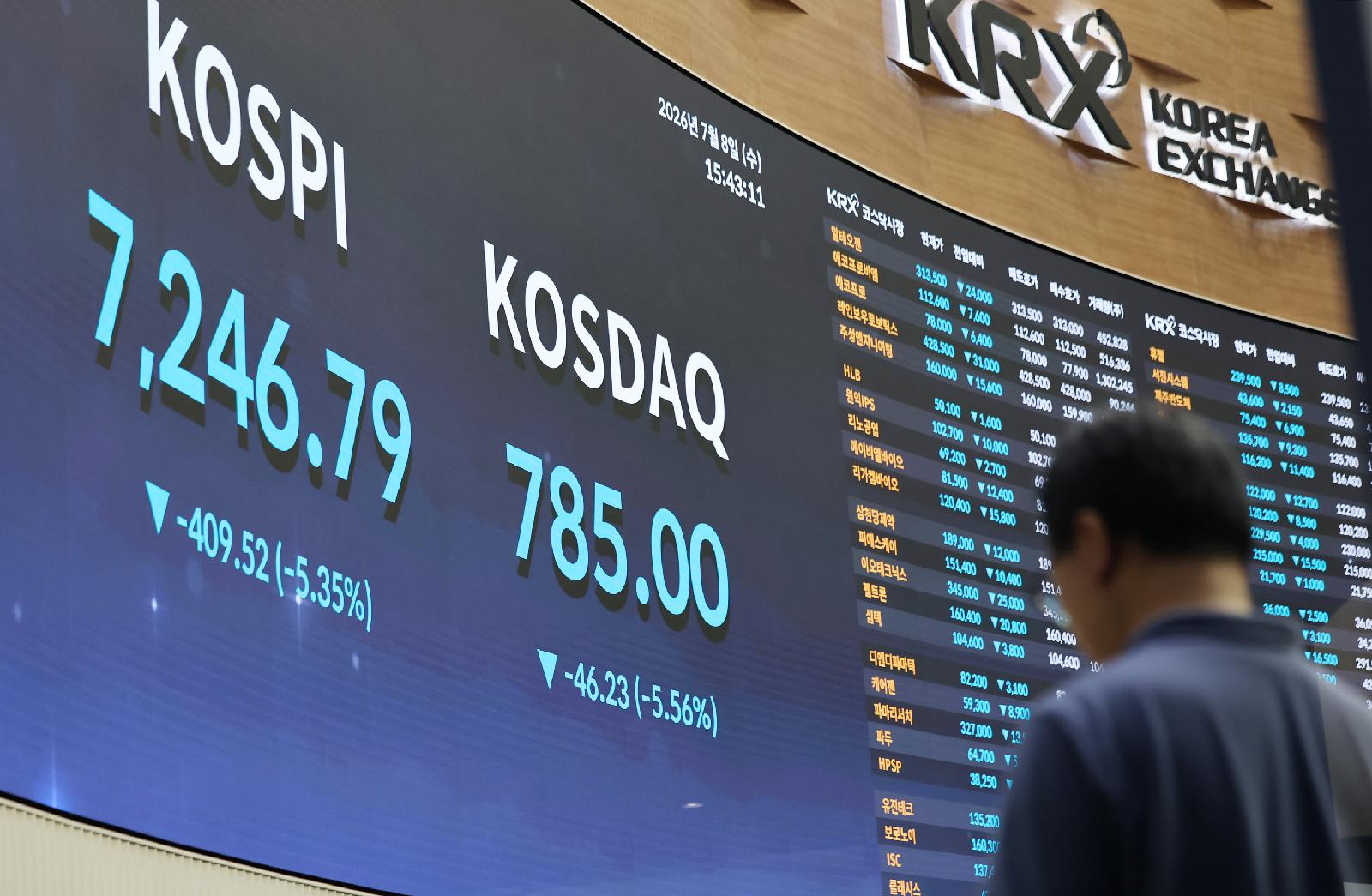
Leveraged products tracking the share prices of Samsung Electronics and SK hynix at 2times the daily rate fell by up to 50% in one week, causing a series of losses for individual investors. Investors holding these products said the valuation of their accounts had fallen sharply due to rapid price fluctuations.
With daily trading volume reaching trillions of won, the prices of these leveraged products showed wide roller-coaster swings. Some products were reportedly cut to about half their value in just one week.
A tally showed that the funds lost by individual investors over ten days amid the sharp market volatility amounted to approximately 3trillion won. During this period of steep declines, large-scale fund movements occurred over a short period.
In individual cases, one investor reported that the 5,000million won they had invested had been cut in half, while other investors said their returns within days had fallen to 10as low as -40%. Numerous cases of investor losses were reported.
Subsequent changes in investment preferences were also observed. Some individuals were reportedly reducing their leveraged positions related to Samsung Electronics and shifting their bets to products related to SK hynix.
The leveraged product is designed to track the daily return of the underlying asset at 2times. It has been pointed out that, by design, the effects of compounding over a long holding period may cause expected returns and actual results to differ.
Cases have been reported in which investors referred to the expansion of losses that occurs during sharp declines as "negative compounding." Trading is still continuing, and changes in positions and trading-value flows continue to be monitored.