Bullstory Research September 3, 2026
2026ETF portfolio for the year: SMH, SCHD, PAVE, CIBR, INDA 5complete analysis
Key takeaways
2026As of the year 5month, SMH, SCHD, PAVE, CIBR, and INDA 5represent AI semiconductors, dividend defense, data centers and power grids, cybersecurity, and India growth, respectively. Total expense ratios range from 0.06% to 0.61% . For beginners, it is realistic to center the portfolio on core index ETFs such as VOO or VTI and add these 5as a complement.
If you thought, “I guess I just need to buy one AI ETF,” this article could change that view.
2026In , the flow of money created by AI does not stay in semiconductors alone. Power grids become strained, security budgets rise, data center construction continues, and new growth engines such as India emerge. Spreading these paths one by one across ETFs is the starting point for 2026portfolio design.
The ETFs to watch now are SMH, SCHD, PAVE, CIBR, and INDA. Each plays a different role, and because their roles differ, the way they are combined also changes.
That said, there is one point to note first. This combination leaves out the most basic indexes, such as S&P500 or broad U.S. market ETFs like VOO and VTI. For beginners, it is realistic to center the portfolio on a basic index ETF and then add these five on top.
I first organized below table to show what role each ETF plays.
| ETF | Role | Total expense ratio |
|---|---|---|
| SMH | AI semiconductors | % |
| SCHD | Dividend defense | % |
| PAVE | Data centers, power grids, infrastructure | % |
| CIBR | Cybersecurity | % |
| INDA | India growth, emerging-market diversification | % |
Now let’s look at them one by one.
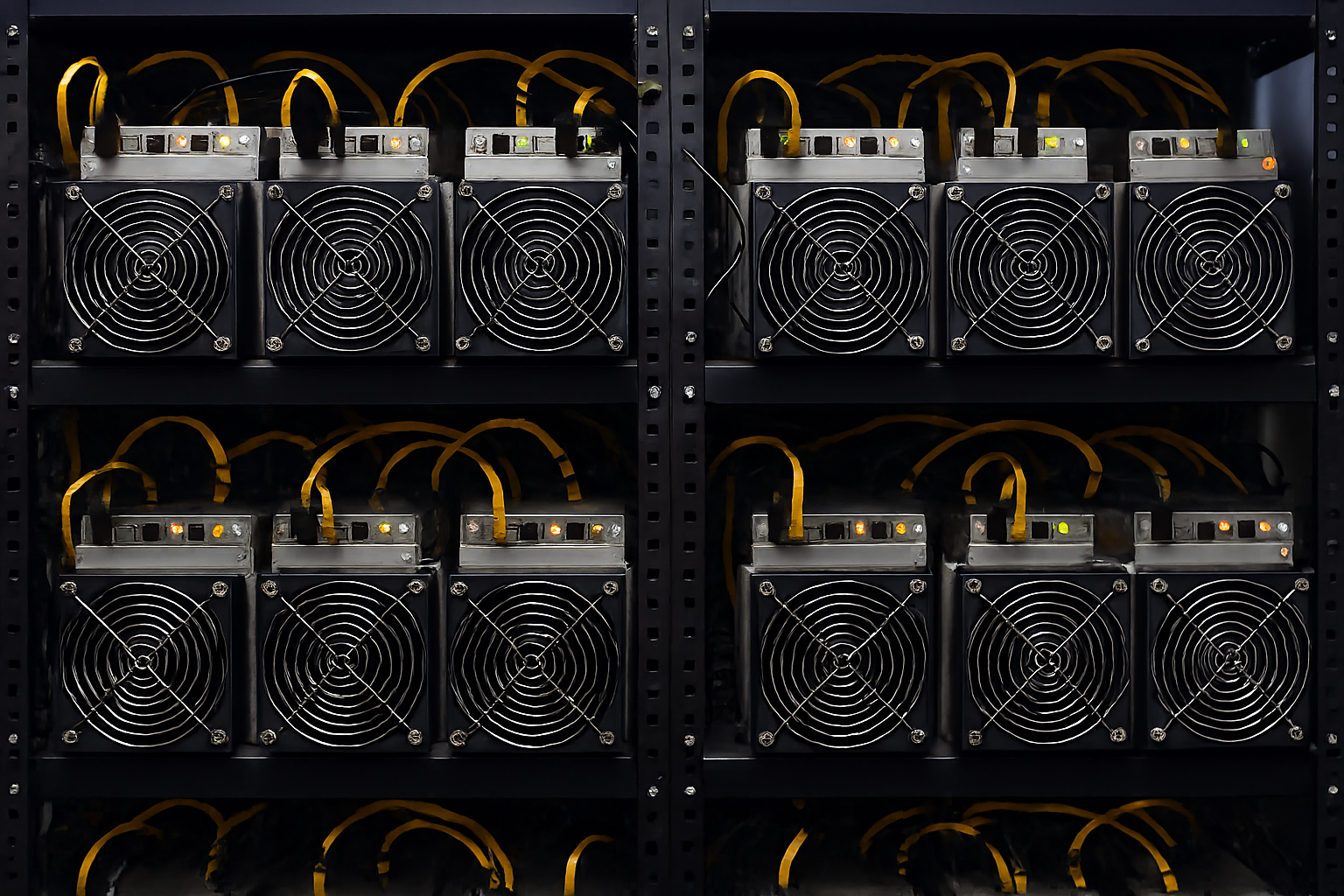
SMH: AI Semiconductors
An ETF that buys the brains of AI.
Semiconductors are used in every step, from model training and inference to on-device AI. SMH holds the entire semiconductor value chain. You can get exposure to key AI semiconductor companies such as NVIDIA, TSMC, Broadcom, AMD, and Micron all at once.
According to VanEck, SMH tracks the MVIS US Listed Semiconductor 25 Index, and as of 2026 year 5 month 19 day, net assets were approximately 6,196 billion dollars (translator’s note: 619 hundred million 6,000 ten thousand dollars), and the total expense ratio is 0.35%.
As investment in AI data centers increases, GPUs are needed; as GPUs increase, HBM (high-bandwidth memory) is needed; and demand for memory and equipment follows. SMH compresses this chain of movement all at once.
However, SMH is not a defensive ETF. If AI expectations weaken or the pace of data center investment slows, the downside can also be large. It should be viewed as the portfolio’s "offensive engine."

SCHD: Dividend defense
It plays the role of keeping the account from collapsing to one side.
As tech stocks rise faster, valuation pressure increases, and if rate expectations wobble, growth stocks wobble as well. SCHD eases that shock.
According to Schwab, SCHD tracks the Dow Jones U.S. Dividend 100 Index, and its expense ratio is 0.06% at a low level, and as of 2026year 5month, its holdings are 100or more. It does not simply hold companies with high dividend yields; it selects stocks based on dividend sustainability and financial soundness.
Companies with only high dividend yields can cut their dividends if performance worsens, and a decline in share prices can create the illusion that the dividend yield is only high. SCHD is structured to avoid that trap.
It is not an ETF that surges quickly. Instead, if you reinvest the dividends that come in steadily, the compounding effect grows over time.
PAVE: Data Centers, Power Grids, and Infrastructure
It is the framework that makes AI actually run.
AI does not run on semiconductors alone. It needs data center buildings, it needs power grids, and it needs cooling systems and transmission infrastructure. The IEA projected that global data center electricity consumption would nearly double from 2025year 485TWh to about 2030year about 950TWh.
McKinsey stated that 2030by 3trillion 7,000billion dollars in AI-related data center capital expenditures could grow, even in a demand-constrained scenario, and 7trillion 9,000billion dollars in an acceleration scenario.
According to Global X, PAVE invests in raw materials, heavy equipment, and engineering and construction-related companies, and as of 2026 and 5net assets were about 128million 8,000thousand dollars, with total expenses of 0.47%.
No matter how many data centers are built, they cannot operate if there is not enough power. If grid connections are delayed, the expansion of AI infrastructure is also delayed. If SMH is the brain of AI, PAVE is the environment that allows that brain to breathe.

CIBR: Cybersecurity
An ETF for digital defense spending in the AI era.
As AI advances, hacking becomes more sophisticated and phishing becomes more natural. If companies cut security budgets, data gets stolen, services stop, and regulatory violation costs are added. That is why companies cannot easily cut security costs even when the economy worsens.
According to First Trust, CIBR tracks the Nasdaq CTA Cybersecurity Index and 2026year 5month, as of that point net assets were about 122billion dollars, and total expenses were 0.58percent. It holds major security companies such as CrowdStrike, Palo Alto Networks, Cisco, and Fortinet.
There are risks as well. Security companies often have high growth expectations priced in, and the nature of software can create valuation pressure. Concentration in top companies is also high.
Even so, as AI spreads, attack methods become more sophisticated, so the direction that demand for defense systems will structurally increase does not change.

INDA: India growth and emerging market diversification
This ETF captures growth engines outside the United States.
If you build a portfolio centered only on AI, semiconductors, and big tech, the account becomes heavily skewed in one direction. INDA helps ease that tilt while adding some exposure to emerging-market growth.
According to iShares, INDA tracks the MSCI India Index and 2026year 5month, its holdings include 160or more names, and the total expense ratio is 0.61%. India has a long-term growth backdrop supported by a young population structure, a vast domestic market, and benefits from supply-chain realignment away from China.
However, the Indian stock market is already a market that reflects high expectations. Stocks are not cheap relative to earnings, and they are affected by the rupee exchange rate, oil prices, and foreign capital flows. In fact, based on iShares data, INDA’s 2026year 5mid-month annual return-to-date is in negative territory.
It should be viewed as a way to add a long-term growth pillar rather than a short-term surge.

How to combine these 5ETFs
Following where AI makes money go, which costs companies cannot cut, and what becomes scarce as data centers expand leads to the paths called SMH·PAVE·CIBR·SCHD·INDA.
5If we reorganize the roles and main risks of these ETFs, it looks like this.
| ETF | Role | Main risk |
|---|---|---|
| SMH | AI semiconductors investment | Semiconductor sector volatility |
| SCHD | Dividend · defensive · compounding | Relative underperformance in strong growth markets |
| PAVE | Data centers · power grids | Impact from industrials · construction cycles |
| CIBR | Cybersecurity demand | Software valuation pressure |
| INDA | India · emerging markets diversification | Exchange-rate · emerging-market risk |
If you want a balanced allocation, build a defensive core with SCHD, capture the AI infrastructure cycle with SMH and PAVE, add cybersecurity demand with CIBR, and then add regional diversification with INDA.
If you want to be aggressive, increase the weight of SMH and CIBR, and if you want to be conservative, increase the weight of SCHD.
What matters is not memorizing ETF names. The key is to buy knowing why you are buying this ETF, in what situations this ETF will be shaken, and what role it will play in your portfolio.
Investing is not a game of collecting many good ETFs; it is a game of combining them so their roles do not overlap.

Frequently asked questions
What does SMH hold, and what role does it play?
SMH is the 'aggressive engine' that invests in AI semiconductors. It holds the semiconductor value chain, including NVIDIA, TSMC, and AMD, and net assets are about 619hundreds of millions of dollars, total expense ratio is 6,000%.0.35.
What should you expect if you use SCHD as a dividend defensive tool?
SCHD is a dividend-oriented defensive vehicle selected based on dividend sustainability and financial soundness. The total expense ratio is 0.06%, and it is a product that seeks compounding effects through dividend reinvestment.
How does the difference in cyclical sensitivity between SMH and PAVE affect a portfolio?
SMH is sensitive to AI investment flows, so it is highly volatile. PAVE is sensitive to capital spending on data centers and power infrastructure, so it is affected by the economy and project delays.
What are the main risks of CIBR?
The main risks of CIBR are valuation pressure from expectations for growth being priced in, and concentration in top companies. Because of its software characteristics, expectations can be reflected in prices quickly.
If you include INDA, how do you prepare for the impact of exchange rates and foreign capital flows?
INDA is sensitive to the rupee exchange rate, oil prices, and foreign capital flows. The defensive approach is to limit its weight and include it conservatively as a long-term growth pillar.