U.S. pushes to require auto parts 50% to be U.S.-made
The U.S. government plans to propose, in negotiations to revise the USMCA, that 50% of auto parts and materials must be sourced from the United States to qualify for tariff benefits. If adopted, the proposal is expected to have a direct impact on South Korea’s auto exports to the United States and its parts supply chain.
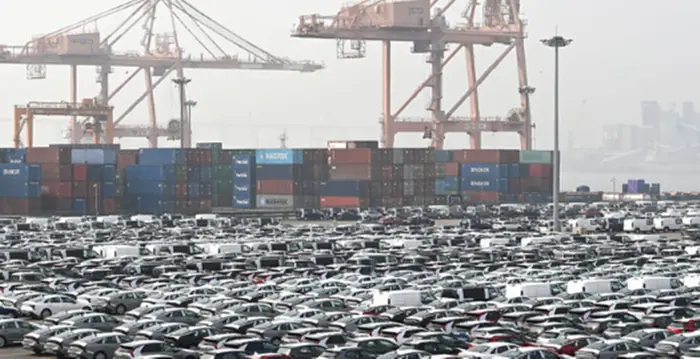
The U.S. government plans to propose, in negotiations to revise the United States-Mexico-Canada Agreement (USMCA), that 50% of auto parts and materials must be sourced from the United States to qualify for lower tariffs. The current agreement requires 75% of vehicle materials to be sourced from North America, but has no specific requirement for U.S.-made content. If the new proposal is approved, companies would have to separately increase the share of U.S.-made content they use.
According to people familiar with the matter, the proposal was prepared ahead of a review of the USMCA, signed by President Trump in 2020. The U.S. delegation is in Mexico City this week for the 1th round of official negotiations with the Mexican government. The proposal is being presented as a starting point and could be adjusted over the coming months, according to reports.
If U.S. demands are adopted as they stand, South Korea’s auto exports to the United States are likely to be affected. Many automakers and parts suppliers believe it would be difficult to switch half of their parts to U.S.-made products if the transition period is short. The United Auto Workers and U.S. labor unions are reportedly likely to welcome the requirement, citing expectations of job growth.
Officials said the U.S. negotiating team is also expected to propose raising the share of North American-made parts required in vehicles above the current 75% level. If this proposal is implemented, rules of origin and certification procedures could become stricter. The outcome will be decided during this round of negotiations and subsequent adjustment discussions.
The industry sees the transition period and certification procedures as key variables. A short transition period would quickly require supply chain restructuring and increased local sourcing. Korean companies are reportedly reviewing contractual rules of origin and transition-period clauses.
Sources: 뉴시스 경제
Bullstory synthesized this report from the linked sources. AI may have assisted the writing process. Check the original reports for factual confirmation.