Highway tolls 10stuck for years... recommendation to introduce flexible pricing
The Korea Research Institute for Human Settlements 6released on the 22a report proposing the introduction of a flexible pricing system that charges tolls differently depending on time of day and congestion levels. Revising toll rates is directly tied to operating costs and securing funding, so it has significance for road-related industries and government finances.
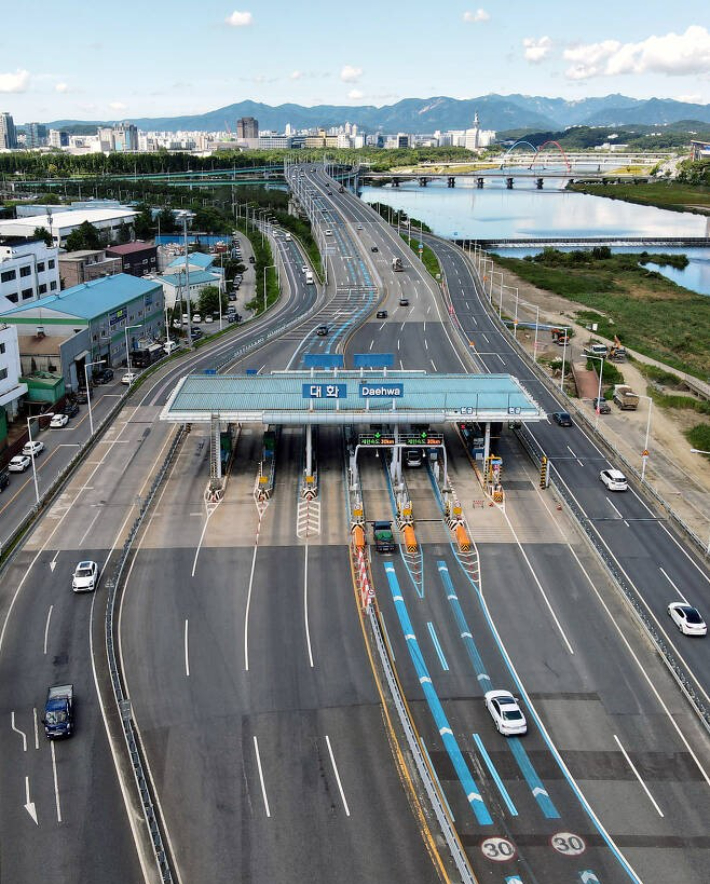
The Korea Research Institute for Human Settlements 6released on the 22a report proposing that a flexible pricing system reflecting time of day and congestion levels is needed. Revising the toll system is directly linked to highway operating costs and securing funding.
At present, the basic tolls on domestic expressways have remained unchanged since the last adjustment in 2015, with closed systems at 900 won and open systems at 720 won. The driving toll for 1-type vehicles is 44.3 won per kilometer, and it has been unchanged for 10 years.
The report pointed out that domestic tolls are low compared with major overseas countries. A comparison was presented showing Japan at 5 of the level, while the United States is at 1 of the level. The report also said Europe is at 3 of the level, and China is at 1 of the level.
Compared with Europe, the regional gap is large, so the explanation continues that it is at the level of 3 of 1to 9 of 1.
Road conditions have also changed. 2024 as of 1national expressway sections, 97of the 23sections were opened 30years ago. The report projected that operating and maintenance cost burdens will grow as eco-friendly infrastructure and advanced transportation technologies are introduced.
The current toll system is operated mainly through discounts and exemptions, such as discounts for small cars, late-night discounts for freight trucks, discounts for national meritorious persons and people with disabilities, discounts for eco-friendly vehicles, and toll exemptions during holidays. By contrast, the surcharge system is only applied on weekends and public holidays in some sections.
The report proposed introducing time-of-day and congestion-based fare differentiation in order to simultaneously ease traffic congestion and secure funding. A concrete policy shift is expected to become visible in future government review and legal and institutional reform processes.
Sources: 뉴시스 경제
Bullstory synthesized this report from the linked sources. AI may have assisted the writing process. Check the original reports for factual confirmation.