Bullstory Research June 13, 2026
AI investing: if you only look at semiconductors, you miss more than half of 8the industry map
Key takeaways
The area where revenue is recognized first is AI semiconductors. AI-related industries are organized into semiconductors, infrastructure, cloud, power, robotics, quantum, space, and defense, for a total of 8pillars. The investment points are the speed at which semiconductor earnings are reflected and whether infrastructure bottlenecks such as power, cooling, and networks exist.
"AI If AI is good, then can’t you just buy Nvidia?"
That question is not wrong. The problem is that it is too shallow.
The real questions are different. Where does AI make people spend money? Where does that money first show up as actual revenue? Where is the bottleneck that the market has not yet fully priced in?
Viewed through these three questions, AI-related industries are divided into 8 axes.
1. AI semiconductors
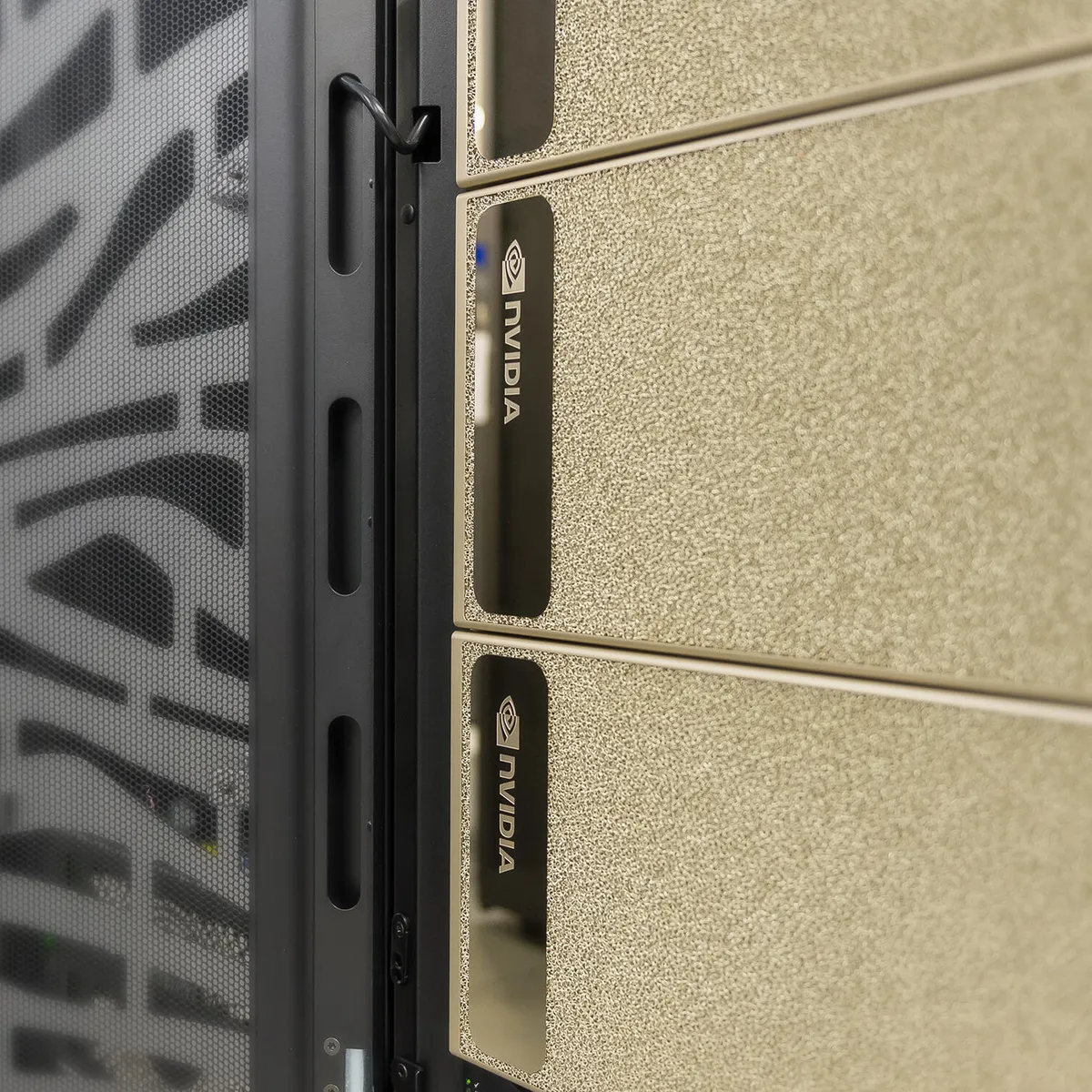
AI semiconductors are at the very front of the AI cycle. Before an AI service is built, GPUs have to be purchased first, and before cloud companies sell AI, semiconductor order books are filled first. So this is the segment where AI demand converts into revenue earliest.
- GPU AI accelerators: NVIDIA, AMD
- Custom ASICs: Broadcom, Marvell
- Memory HBM: Micron, SK hynix, Samsung Electronics
- Foundry: TSMC, Intel, Samsung Foundry
- Equipment: ASML, Applied Materials, Lam Research, KLA
- On-device AI: Qualcomm, Apple, Arm
A good industry and a good investment are different. The market already knows that AI semiconductors are promising, and the stock price already knows it too. So rather than asking, "Is it an AI beneficiary stock?", you should look at whether the pace of earnings growth can continue to justify the current share price level.
AI semiconductors are the brain of AI. They are where money is counted first, but expectations are also reflected first.
Then what is it that actually makes that brain work?
2. AI Infrastructure
Buying a lot of GPUs does not make an AI factory. The GPUs must be connected quickly, power must be supplied reliably, and heat must be removed.
If a GPU is the engine, AI infrastructure is the wiring, piping, and road network that keep that engine running across the entire factory.
- Networking switches: Arista Networks, Cisco, Nvidia
- Interconnects: Astera Labs, Credo Technology, Broadcom, Marvell
- AI servers: Super Micro, Dell, HPE
- Data centers: CoreWeave, IREN, Nebius
- Power and cooling: Vertiv, Eaton, GE Vernova, Schneider Electric
- Construction EPC: Quanta Services, MasTec
The key here is the bottleneck. There may be a shortage of GPUs, HBM, or network equipment. It should not end with simply saying, "Then server sales will rise." You also need to look at AI server rack density, demand for optical modules, data center power contracts, and cooling equipment orders.
AI infrastructure is the neural network of AI. It is the bottleneck that ties GPUs together into one massive computing factory.
So who is actually making money from that factory?
3. Big Tech Cloud
If semiconductor companies are the ones selling the AI factory, cloud companies are the ones operating that factory to make money.
- Cloud infrastructure: Amazon, Microsoft, Alphabet, Oracle, IBM
- AI platforms: Microsoft, Alphabet, Amazon, Meta, Oracle
- Advertising/search AI monetization: Alphabet, Meta, Amazon, Trade Desk
- Consumer AI/devices: Apple, Meta, Alphabet
- Streaming/content AI: Netflix, Disney, Spotify
It is too structurally complex to view simply as "AI beneficiaries." If AI investment (CapEx, the money a company spends on facilities or infrastructure) becomes too large, profit margins can fluctuate even if revenue rises. That is because companies buy servers, build data centers, and depreciation increases.
Companies that spend heavily on AI and companies that efficiently recoup that spending are different. CapEx efficiency, cloud operating margins, and the actual paid conversion rate of AI services must all be considered together.
Big Tech cloud is the monetization layer of AI. At the same time, it is also the layer that bears the greatest AI CapEx burden.
But there is one variable that could ultimately stop all of these factories.
4. Power, nuclear power, and SMRs
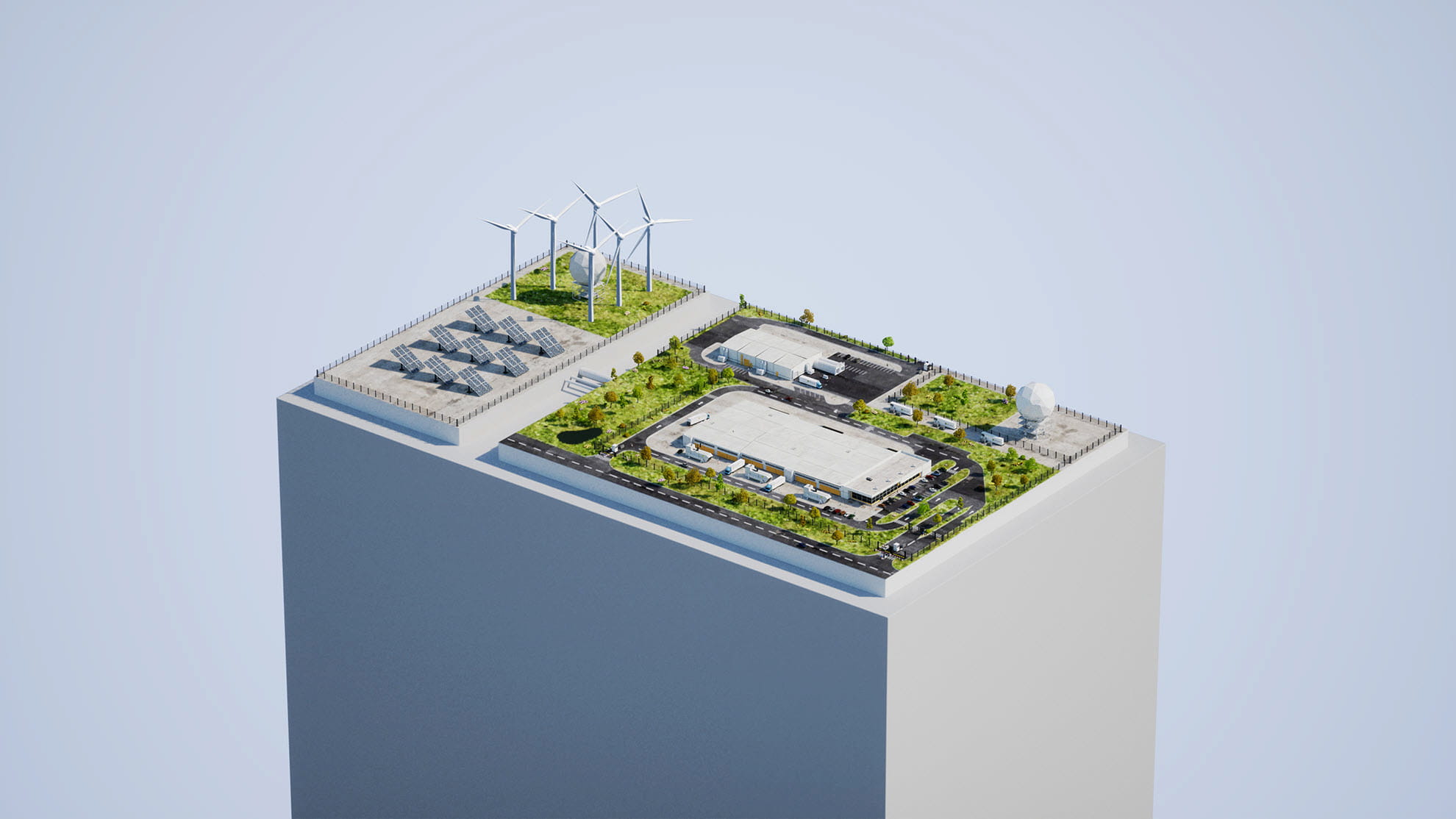
As AI data centers grow, the most practical bottleneck is power. Even if there is a site for a data center, operations will be delayed if it cannot connect to the transmission grid. AI may look like a digital industry, but in reality it runs on electricity and real estate, cooling and transmission grids.
- Power equipment and transformers: GE Vernova, Eaton, Hubbell, Powell Industries
- Power grid and transmission infrastructure: Quanta Services, MasTec, MYR Group
- Nuclear power operators: Constellation Energy, Vistra
- SMR development: NuScale Power, Oklo, BWX Technologies
- Uranium: Cameco, Uranium Energy, Centrus Energy
- Power utilities: NextEra Energy, Duke Energy, Southern Company
Nuclear power operators and SMRs should be distinguished. Nuclear power operators are companies that are already selling electricity, while SMRs are closer to future options with strong expectations for commercialization. Although they may look like the same nuclear power theme, their risk structures are completely different.
If semiconductors are the brain of AI, power is the oxygen that keeps that brain moving.
What industries will open up when AI comes out of the screen and starts moving in the physical world?
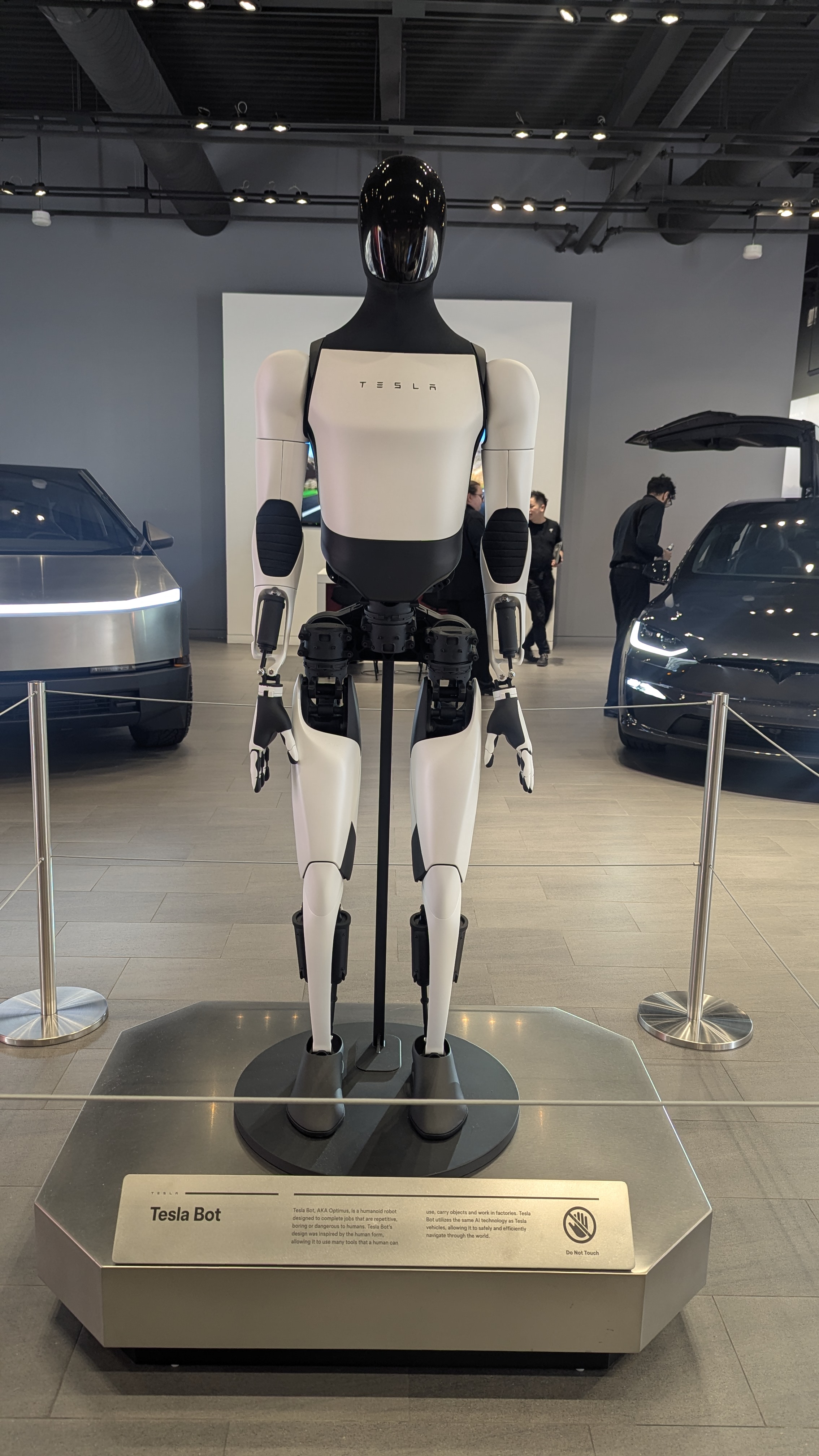
5. Robotics, humanoids, and autonomous driving
If generative AI handled text and images, robots and autonomous driving go beyond the stage where AI speaks and draws to the stage of seeing, judging, and moving.
- Humanoids: Tesla, NVIDIA GR00T platform
- Industrial automation: Rockwell Automation, Emerson Electric, Teradyne, ABB
- Logistics automation: Symbotic, Amazon
- Medical robots: Intuitive Surgical, Stryker
- Autonomous driving: Tesla, Mobileye, Uber, Aurora Innovation
- Robot components and sensors: Cognex, Keyence, TE Connectivity
Robots are much harder than software. Demo videos and mass production are different. They have to work stably all day in factories, move safely in the same space as people, and also meet the price.
You have to look at actual delivery volume, repeat purchase rate, number of surgeries, driving distance, and whether regulatory approval has been obtained, rather than at "the video looks cool."
Robots are the body of AI. The long-term growth potential is large, but this is still a phase in which the body is not keeping up as fast as expected.
6. Quantum computing
Quantum computing is a long-term growth option. It is not an industry that is generating major revenue right now, but it could have disruptive potential over the long term in fields such as drug development, materials science, and financial modeling.
- Pure quantum companies: IonQ, Rigetti Computing, D-Wave Quantum, Quantum Computing
- Big Tech quantum research: Alphabet, IBM, Microsoft, Amazon
- Applied solutions: Honeywell, Quintin, Keysight Technologies
What matters here is not just the number of qubits, the basic unit of operation in a quantum computer. Error rates, error correction, and whether truly useful algorithms can be run are more important. Even if there are more qubits, practical usefulness declines if the errors are large.
Stock prices may react sharply to technical announcements or Big Tech news, but there is still a long way to go before actual commercial revenue. Rather than a core portfolio holding, it is more appropriate to view it as a <strong>high-risk long-term call option (an investment that places a small bet on the possibility of future success)</strong>.

7. Aerospace and Satellites
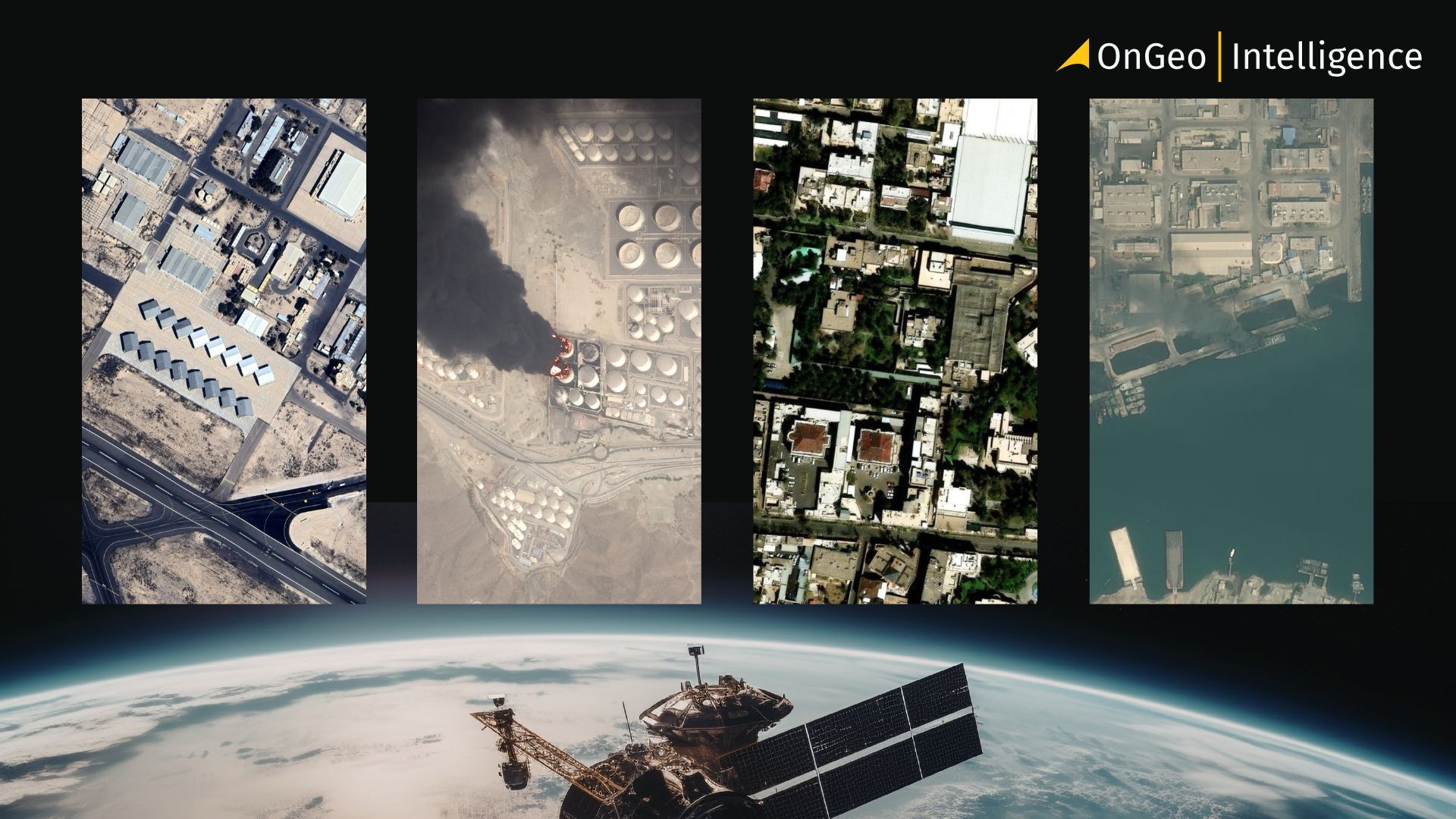
Aerospace and satellites are a mixed theme involving communications, Earth observation, defense, and launch vehicles. The key link to AI is one: satellites collect data, and AI interprets that data.
- Launch vehicles: Rocket Lab
- Satellite communications: Iridium, AST SpaceMobile, Viasat, Globalstar
- Earth observation: Planet Labs, BlackSky
- Moon/deep space: Intuitive Machines, Redwire
- Space surveillance and defense: Northrop Grumman, Lockheed Martin, L3Harris
Unprofitable space companies can face even survival risk if financing conditions worsen. Technology alone is not enough. You have to look at backlog, launch success rate, number of satellites deployed, cash burn rate, and government budgets together.
The bigger the dream, the greater the cost of failure.
8. Defense
Defense is a theme in which AI, drones, missile defense, electronic warfare, and ammunition stockpile rebuilding are all intertwined at the same time.
- Traditional defense manufacturers: Lockheed Martin, Northrop Grumman, RTX, General Dynamics, Boeing
- Defense tech: Palantir, L3Harris
- Parts and aerospace materials: Heico, TransDigm, Howmet Aerospace
- Drones and unmanned aircraft: Kratos Defense, AeroVironment
- Missiles and air defense: RTX, Lockheed Martin, Northrop Grumman
- Space surveillance and reconnaissance: Northrop Grumman, Lockheed Martin, L3Harris
If defense is approached lightly as a "war beneficiary stock," that is not the right way to see it. More precisely, it should be viewed through the lens of expanding defense budgets and rising demand for air defense, drones, and space surveillance. Risks from changes in administrations, budget cuts, contract delays, and rising costs always exist.
Do not approach it lightly as a "war beneficiary stock." More precisely, it is better viewed as rising defense budgets and increased demand for air defense, drones, and space surveillance. Risks from changes in administrations, budget cuts, contract delays, and rising costs always exist.
8You should not view five themes as if they all carry the same weight
If you divide these themes by their characteristics, it looks like this.
| Category | Relevant themes |
|---|---|
| Earnings-driven themes (where money is already being generated now) | AI semiconductors, AI infrastructure, big tech cloud, power infrastructure |
| Structural spending themes (backed by government and corporate budgets) | defense, cybersecurity |
| Long-term option themes (where expectations are ahead of earnings) | robotics, quantum computing, aerospace |
A good future does not necessarily make a good investment. Even if the future looks bright, returns can be low if the stock price has already reflected all of those expectations. On the other hand, there are cases where a less glamorous infrastructure company earns money more stably.
AI investing is no longer a matter of whether to buy Nvidia. It is a matter of where AI will make money flow, where bottlenecks will arise, who will be the companies that solve those bottlenecks, and how much of that expectation is already reflected in stock prices. You need to ask these four things.
The flow of money that starts in semiconductors moves to servers and networks, to data centers and power grids, to cloud and security, and even spreads to robotics, defense, and aerospace. Reading this flow of capital expenditure is the true starting point of AI investing.
Frequently asked questions
What are the criteria for selecting AI beneficiaries among data center and cloud-related industries?
The key is capital expenditure efficiency and monetization capability. Also check revenue conversion versus capital expenditure, cloud operating margin, and data center weaknesses in power and cooling.
How do you assess the competitiveness of software and services companies, rather than AI chips?
First look at paid conversion rates, recurring revenue, and model operating costs. Check whether the platform is actually structured to bill customers.
What practical checklist should be reviewed when investing in companies in the autonomous driving and robotics sectors?
Review actual delivery volumes and repeat purchase rates, surgical and driving performance, regulatory approval and safety, and the parts and sensor supply chain.
How do you distinguish investment timing and risk factors at each stage of AI adoption by industry?
Semiconductors are an early phase with rapid revenue conversion. Infrastructure faces bottlenecks and equipment risks, while robotics and quantum have a later commercialization point. Power is an immediate constraint.